

Peruvian coffee is defined by its mild acidity, natural sweetness, and high-altitude cultivation in the Andes mountains, making it one of the most balanced and approachable specialty coffees in the world. Coffee from Peru grows primarily on smallholder farms under 2 hectares, at elevations between 1,200 and 2,000 meters, where cool temperatures and rich volcanic soil slow the development of the coffee cherry and concentrate its sugars. The dominant varieties are Typica, Bourbon, and Caturra, processed almost exclusively through washed methods that produce a clean, transparent cup. Peru’s projected output of 4.78 million 60-kg bags for the 2026/2027 marketing year confirms its standing as a serious origin, not a novelty. If you want a coffee that rewards attention without demanding it, Peruvian coffee beans are the place to start.
1. Typica: the heritage variety worth seeking out
Typica is the rarest and most prized Arabica variety grown in Peru, and it represents the origin’s deepest connection to traditional coffee agriculture. Typica lots are valued as heritage coffees found only on smaller, specialized farms, which means supply is limited and quality is consistently high. The flavor profile leans toward delicate floral notes, clean citrus, and a silky body that holds up beautifully in a slow pour-over.
- Flavor notes: jasmine, lemon zest, light brown sugar
- Processing: washed
- Best brew method: pour-over or Chemex
- Availability: limited, often sold as micro-lots
Pro Tip: If you find a Typica lot from Peru, buy more than one bag. These lots sell out fast and rarely reappear with the same profile twice.
2. Bourbon: round, sweet, and forgiving
Bourbon is the workhorse of Peruvian specialty coffee. It produces a rounder, fuller body than Typica, with sweetness that reads as caramel, milk chocolate, and ripe stone fruit. Bourbon adapts well to both medium and medium-dark roasts, which makes it a reliable choice for espresso preparation or a classic drip brew.
- Flavor notes: caramel, milk chocolate, peach
- Processing: washed or honey
- Best brew method: espresso, French press, drip
- Roast range: medium to medium-dark
Bourbon’s genetic stability means it produces consistent results across harvests, which is why cooperatives in Cajamarca and Junín favor it for export-grade lots. For home brewers who want a dependable daily coffee without sacrificing complexity, Bourbon from Peru is the answer.
3. Caturra: bright and accessible for everyday drinking
Caturra is a natural mutation of Bourbon that produces smaller trees and higher yields, making it the most commercially widespread variety in Peru. The cup is brighter and lighter than Bourbon, with citrus-forward acidity and a clean finish. It lacks the depth of Typica but compensates with consistency and affordability.
- Flavor notes: orange peel, green apple, light honey
- Processing: washed
- Best brew method: drip, Aeropress, cold brew
- Roast range: light to medium
Caturra is the variety most likely to appear in blended Peruvian offerings, and it performs particularly well as a cold brew base where its clean acidity shines without bitterness.
4. Yanatile micro-lots: the sweet spot of Cusco
The Yanatile valley in the Cusco region produces some of the most distinctive micro-lot coffees in Peru. Yanatile coffees are known for a sweet, syrupy body with chocolate and fruit undertones, a direct result of the high elevation and careful post-harvest handling. Producers in Yanatile use 15 to 20 hours of tank fermentation followed by 10 to 20 days of sun drying on raised beds, a process that locks in sweetness and prevents the off-flavors that rushed drying produces.
- Flavor notes: dark chocolate, dried cherry, black tea
- Processing: washed with extended fermentation
- Best brew method: pour-over, siphon
- Certification: Fair Trade Organic (FTO)
This is the coffee to reach for when you want something that feels like a dessert without being one.
5. Cajamarca region coffees: nutty, soft, and crowd-pleasing
Cajamarca is Peru’s most recognized coffee region internationally, and for good reason. Cajamarca produces nutty, soft-sweet coffees at elevations between 1,400 and 1,800 meters, with a clean profile that appeals to a broad range of palates. The region’s consistent climate and well-established cooperative infrastructure mean quality control is higher here than almost anywhere else in Peru.
Cajamarca coffees carry USDA Organic and Fair Trade certifications at a higher rate than other Peruvian regions, which reflects both the farming practices and the organized cooperative networks that support them. For anyone new to coffee from Peru, a washed Cajamarca medium roast is the most reliable entry point.
Pro Tip: Buy a Cajamarca and a Junín coffee at the same time and brew them back to back using identical parameters. The contrast between Cajamarca’s nutty softness and Junín’s bright citrus acidity is the fastest way to understand how terroir shapes a cup.
6. Junín and Chanchamayo: fruit-forward and bright
The Junín region, centered around the Chanchamayo valley, produces fruit-forward coffees with citrus notes, cacao nib undertones, and a creamy body that makes them stand out in blind tastings. The altitude and rainfall patterns here create conditions that favor bright, complex acidity without sharpness. Junín coffees are the best Peruvian coffee choice for drinkers who enjoy Ethiopian or Kenyan profiles but want something less intense.
These coffees perform exceptionally well as light roasts, where the citrus and fruit notes remain vivid. They also work well in a Hario V60 or Kalita Wave, where precise water flow control lets you dial in the extraction and highlight the brighter notes.
7. How growing regions compare across Peru
Understanding regional differences is the fastest way to shop smarter for Peruvian coffee beans.
| Region | Altitude | Flavor profile | Processing | Certifications |
|---|---|---|---|---|
| Cajamarca | 1,400–1,800 m | Nutty, soft sweetness, clean | Washed | Organic, Fair Trade |
| Junín/Chanchamayo | 1,200–1,800 m | Citrus, cacao nibs, creamy | Washed | Organic, Rainforest Alliance |
| Cusco/Yanatile | 1,500–2,000 m | Dark chocolate, dried fruit, syrupy | Washed, extended ferment | Fair Trade Organic |
| Puno | 1,400–1,900 m | Mild, floral, light body | Washed | Organic |
Each region reflects a distinct microclimate, and the certifications listed are not marketing labels. They represent verifiable farming standards that directly influence cup quality.
8. Roasting levels that bring out the best Peruvian coffee taste
Roast level is the single biggest variable you control as a buyer, and it determines which flavor compounds survive to your cup. A medium roast with pour-over brewing at 91 to 94 degrees Celsius best highlights Peruvian coffee’s clean, balanced character. Going darker than medium-dark compresses the nuance and pushes the profile toward generic roast bitterness.
Roast recommendations by use:
- Light roast: Best for Junín and Yanatile micro-lots; preserves citrus and fruit notes
- Medium roast: Best for Cajamarca and Bourbon varieties; highlights sweetness and balance
- Medium-dark roast: Best for espresso-based drinks; adds body without losing origin character
- Dark roast: Suitable for milk-based drinks where roast depth complements dairy
Brewing parameters for pour-over:
- Water temperature: 91 to 94 degrees Celsius
- Grind size: medium-fine (similar to table salt)
- Brew ratio: 1:15 to 1:17 (coffee to water)
- Total brew time: 3 to 4 minutes
Pro Tip: If your Peruvian pour-over tastes flat or hollow, coarsen your grind by one step before adjusting temperature. Under-extraction is the most common mistake with washed Peruvian coffees, and grind size fixes it faster than any other variable.
9. Sustainable farming and certifications that guarantee quality
Peru’s coffee quality is inseparable from its farming structure. Small farms under 2 hectares dominate production, and this scale forces a level of hand-selection and attention that industrial farming cannot replicate. Every cherry is picked individually, and the harvest season runs from March through September, with timing adjusted by altitude to capture peak ripeness.
The certifications that matter most for Peruvian coffee buyers:
- USDA Organic: Confirms no synthetic pesticides or fertilizers, common in Cajamarca and Puno
- Fair Trade: Guarantees minimum price floors that protect smallholder income
- Rainforest Alliance: Focuses on biodiversity and ecosystem preservation alongside farmer welfare
- Fair Trade Organic (FTO): Combines both standards, most common in Cusco micro-lots
Cooperatives like Café Orígenes aggregate smallholder production, provide quality control infrastructure, and negotiate better export prices. When you buy a certified Peruvian coffee, you are directly funding the farming practices that produce the flavor you are paying for. Peruvian coffee’s balance and versatility across brewing methods is not accidental. It is the result of this careful, labor-intensive production chain.
Key takeaways
Peruvian coffee delivers consistent quality because its high-altitude smallholder farms, washed processing, and cooperative certification systems work together to produce a clean, balanced cup across every major variety.
| Point | Details |
|---|---|
| Start with Cajamarca | Washed medium roasts from Cajamarca offer the most reliable entry into Peruvian coffee flavor. |
| Seek Yanatile micro-lots | Extended fermentation and slow sun drying give Yanatile coffees a syrupy sweetness no other region matches. |
| Match roast to brew method | Light roasts suit pour-over; medium-dark roasts suit espresso and milk-based drinks. |
| Certifications signal quality | Fair Trade Organic and USDA Organic labels confirm the farming practices that produce cleaner cups. |
| Brew at 91 to 94 degrees Celsius | This temperature range preserves Peruvian coffee’s natural sweetness without extracting harsh bitterness. |
Why Peruvian coffee changed how I think about origin
I spent years defaulting to Ethiopian and Colombian coffees because they announced themselves loudly. Peruvian coffee does the opposite, and I initially mistook that restraint for blandness. That was wrong.
The first time I brewed a Yanatile FTO lot on a Hario V60, I expected something polite and forgettable. What I got was a cup with dark chocolate depth, a dried cherry finish, and a body that felt almost like tea in the best possible way. It rewarded slow attention rather than demanding immediate reaction. That is a different kind of quality, and it took me a while to recognize it.
My honest recommendation: start with a washed medium roast from Cajamarca if you want to understand what Peruvian coffee does at its most typical. Then move to a Junín light roast to see how the same origin can shift toward brightness and fruit. The contrast teaches you more about terroir than any description will. If you want to go deeper, find a Yanatile micro-lot and brew it as a pour-over at 92 degrees Celsius with a slightly coarser grind than you think you need. You will not be disappointed.
Supporting smallholder cooperatives through certified purchases is not just an ethical choice. It is a quality choice. The farms producing the most interesting Peruvian coffees are the ones with the resources to maintain careful post-harvest processing, and certifications fund those resources directly.
— Jett
Explore Espritkaffe’s Peruvian coffee selection
Espritkaffe sources and roasts Peruvian coffee with the same precision that the farms put into growing it. If you want to taste what high-altitude washed processing actually produces, the single origin collection is the right place to start, with options ranging from light to dark roast profiles.
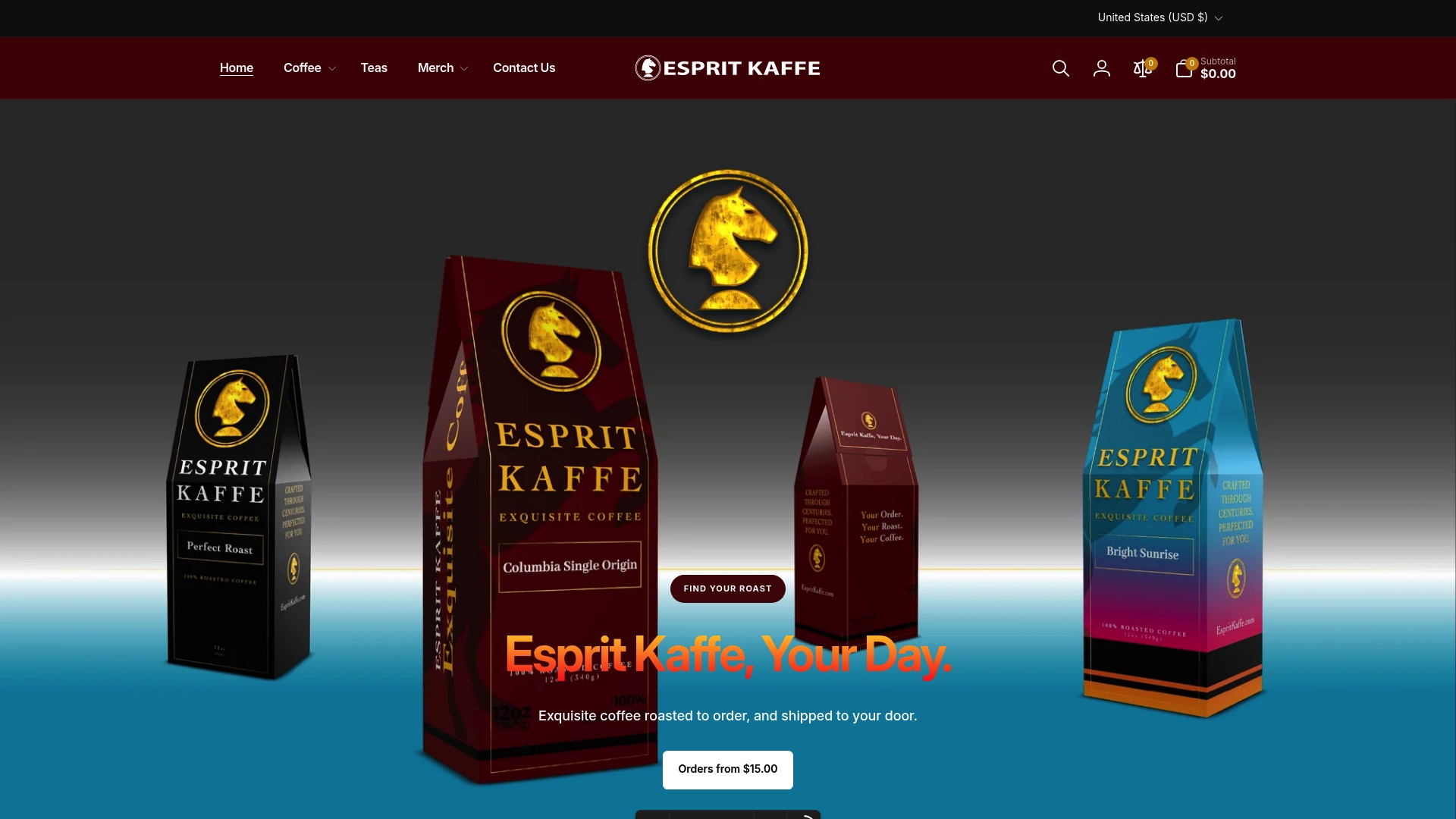
For those who prefer convenience without compromise, Espritkaffe’s Peru coffee pods deliver the same origin character in a single-serve format. If you want to explore the full roast spectrum, browse dark roast options for espresso-ready depth or light roast selections that highlight Junín’s bright citrus notes. Espritkaffe also offers a Peru Decaf for those who want the flavor without the caffeine. Your roast, your ritual.
FAQ
What does Peruvian coffee taste like?
Peruvian coffee typically tastes mild, clean, and balanced, with notes ranging from nutty sweetness in Cajamarca to bright citrus in Junín and dark chocolate in Cusco’s Yanatile region. The washed processing method used across most Peruvian farms produces a transparent cup that clearly reflects its origin.
What is the best way to brew Peruvian coffee?
Pour-over brewing at 91 to 94 degrees Celsius with a medium roast best highlights Peruvian coffee’s natural sweetness and clean acidity. French press works well for a fuller body, and Peruvian coffee performs well across espresso and drip methods too.
Are Peruvian coffee beans organic?
Many Peruvian coffee beans carry USDA Organic certification, particularly from Cajamarca and Puno, because the smallholder farming model naturally limits synthetic input use. Fair Trade Organic (FTO) certification is also common in Cusco micro-lots like Yanatile.
How does Peruvian coffee compare to Colombian coffee?
Peruvian coffee is generally milder and less acidic than Colombian coffee, with a softer body and more subtle flavor notes. Colombian coffees tend toward brighter, more pronounced fruit and caramel profiles, while Peruvian coffees reward slower, more attentive brewing.
When is Peruvian coffee harvested?
The harvest season in Peru runs from March through September, with timing varying by altitude and region. Higher-altitude farms harvest later in the season, which extends the cherry’s development time and concentrates its sugars.