

Hazelnut flavoured coffee is defined as brewed coffee infused with the warm, nutty aroma of hazelnuts through syrups, flavor oils, or pre-flavored grounds. The result is a cup that layers roasted nuttiness over coffee’s natural bitterness, creating a balance that has made hazelnut one of the most requested coffee flavors in home brewing. Getting it right at home depends on three things: the quality of your flavoring agent, the sequence in which you apply it, and the roast of coffee you start with. This guide covers every method, every tool, and every common mistake so you can pull it off consistently.
What is hazelnut flavoured coffee and how is the flavor applied?
Hazelnut flavoured coffee is coffee that carries the sensory profile of roasted hazelnuts, achieved through one of four main flavoring methods: flavor oils applied to roasted beans, liquid syrups added per cup, pre-flavored ground coffee, or homemade infusions using real nuts. Each method delivers a different intensity, texture, and aroma integration.
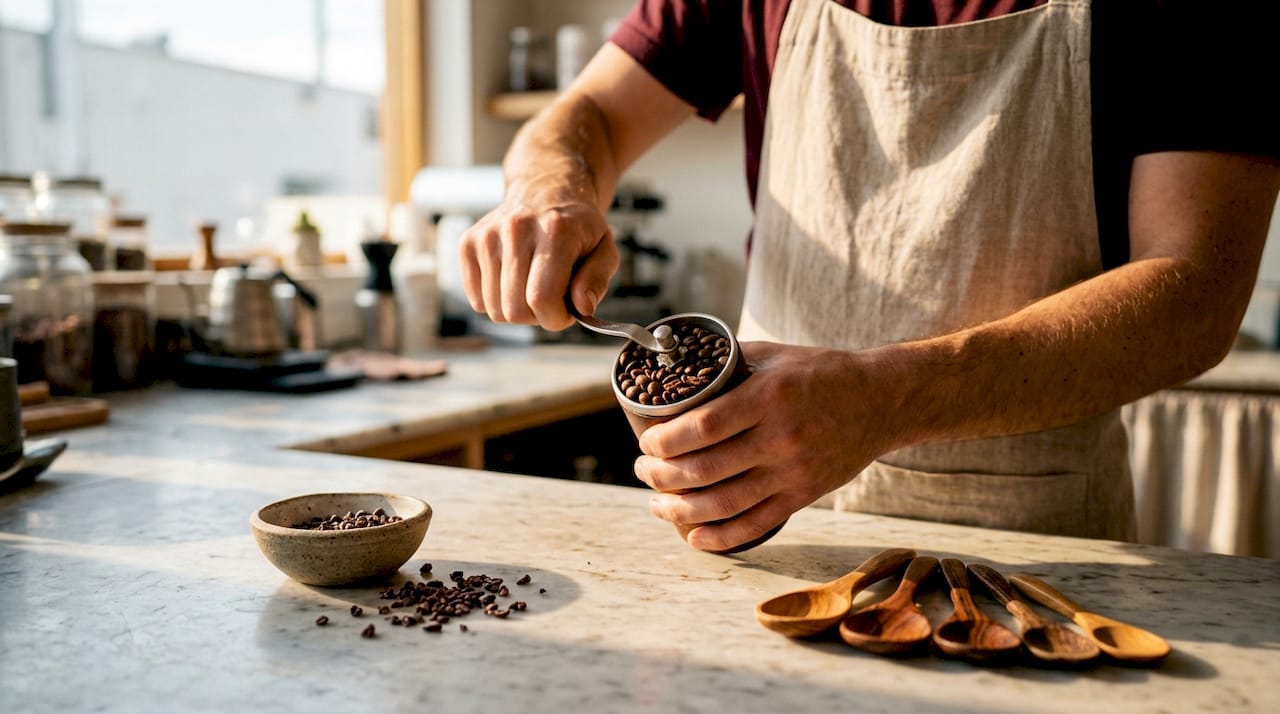
Flavor oils are applied directly to roasted beans after the roasting process. Post-roast flavoring integrates a pervasive aroma across every bean, giving you a consistent hazelnut coffee flavor from the first grind to the last cup. The trade-off is that you commit the entire batch to that flavor profile.
Hazelnut syrups work differently. You add them per cup, which means you control the sweetness and intensity every time you brew. A quality hazelnut syrup balances roasted hazelnut notes with secondary flavors like praline and vanilla, avoiding the flat chemical taste that cheap syrups produce. That balance is what separates a syrup worth buying from one that ruins your morning cup.
Here is a breakdown of the four main flavoring forms:
- Flavor oils: Applied to whole beans post-roast. Delivers consistent, pervasive aroma. Best for batch brewing.
- Hazelnut syrups: Added per cup. Adjustable sweetness and texture. Most flexible option for home use.
- Pre-flavored grounds: Convenient but limited in customization. Quality varies widely by brand.
- Homemade infusions: Made from raw hazelnuts and vanilla beans. Most natural flavor, highest effort.
Natural hazelnut flavoring comes from actual nut extracts or real chopped hazelnuts. Artificial versions use synthetic compounds that mimic the nut’s aroma but often leave a chemical aftertaste. The sensory difference is noticeable, especially in black coffee where there is nothing to mask an off note.
What tools and ingredients do you need at home?
Getting the right setup before you brew saves you from fixing problems mid-cup. The ingredients matter as much as the equipment.
| Item | Purpose | Recommended type |
|---|---|---|
| Coffee beans or grounds | The base of your cup | Medium or dark roast for best hazelnut synergy |
| Hazelnut syrup or flavor oil | Primary flavoring agent | Natural ingredient, small-batch preferred |
| Raw hazelnuts | For homemade syrup | Unsalted, skin-on for deeper flavor |
| Vanilla beans or extract | Secondary flavor note | Madagascar vanilla for richness |
| Measuring spoon or pump dispenser | Consistent dosing | Pump dispenser for syrups, measuring spoon for oils |
| Brewing equipment | Extraction method | Espresso machine, French press, or drip brewer |
Roast choice shapes how hazelnut flavor lands. A medium roast lets the nutty notes sit alongside the coffee’s natural sweetness. A dark roast creates a bolder, more intense cup where hazelnut reads as a warm undertone rather than a front note. Light roasts tend to clash with hazelnut because their bright acidity competes with the nut’s warmth.
For syrups, small-batch options made with real ingredients outperform mass-produced versions in both aroma and depth. A pump dispenser keeps your dosing consistent, which matters more than most home brewers realize.
Pro Tip: Store your hazelnut syrup in the refrigerator after opening and use it within four weeks. Flavor degradation is faster at room temperature, especially in syrups made without preservatives.
How do you make hazelnut flavoured coffee step by step?
The method you use depends on whether you are working with syrup, flavor oil, or a homemade infusion. Each approach has a specific sequence that affects the final result.
Using hazelnut syrup
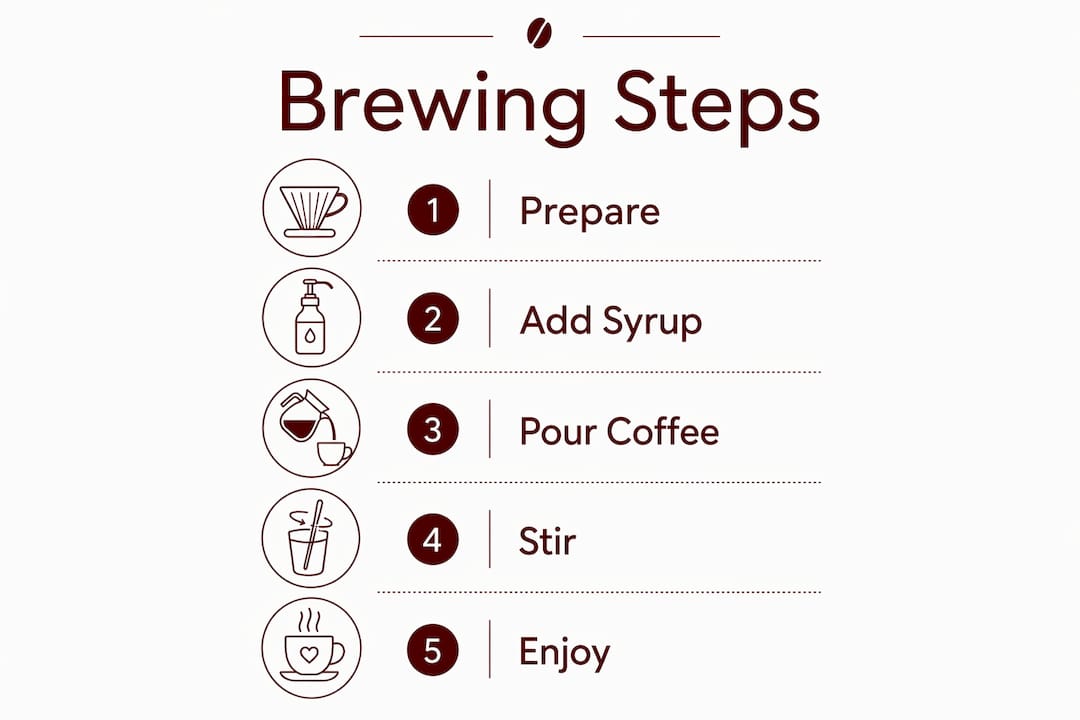
- Add your hazelnut syrup to the bottom of your mug before brewing. Syrup-first sequencing prevents settling and distributes flavor evenly as hot coffee hits it.
- Brew your coffee directly over the syrup. The heat activates the syrup and pulls it into the liquid immediately.
- Stir once after pouring. One stir is enough. Over-stirring releases CO2 from fresh coffee and flattens the aroma.
- Taste before adding milk or cream. The hazelnut flavor reads differently in black coffee versus a latte, so calibrate first.
- Adjust the syrup dose up or down by half a pump on your next cup until you hit the right intensity.
For iced hazelnut coffee, add the syrup to cold brew or chilled espresso and stir vigorously before adding ice. Cold liquid does not dissolve syrup as readily as hot, so you need more agitation.
Using flavor oil on beans
- Measure your beans before flavoring. Work with a consistent batch size, typically enough for one week of brewing.
- Add flavor oil at the recommended dose. Measured oil application prevents the oily, artificial aftertaste that comes from over-dosing.
- Toss the beans in a sealed container until the oil coats every surface evenly.
- Rest the beans for 24 hours before grinding. This resting period lets the oil absorb fully into the bean surface.
- Grind and brew as normal. The hazelnut aroma releases during grinding and again during extraction.
Making homemade hazelnut syrup
- Toast one cup of raw hazelnuts in a dry pan over medium heat until the skins begin to crack and the kitchen smells nutty.
- Combine the toasted hazelnuts with one cup of water and one cup of sugar in a saucepan.
- Add one split vanilla bean or one teaspoon of pure vanilla extract.
- Simmer on low heat for 20 minutes, stirring occasionally.
- Strain through a fine mesh strainer and discard the solids.
- Cool completely before bottling. Small-batch syrups made with real hazelnuts and vanilla deliver a richer, more nuanced flavor than anything mass-produced.
Pro Tip: Add a pinch of sea salt to your homemade syrup during simmering. Salt suppresses bitterness and makes the hazelnut flavor read as sweeter without adding more sugar.
Hazelnut flavor oil also works in espresso, iced coffee, and baking, making it a versatile addition to your kitchen beyond the coffee cup.
How do you fix common hazelnut coffee problems?
Most hazelnut coffee mistakes fall into two categories: too much flavor or too little. Both are fixable once you know what caused them.
- Artificial or chemical taste: This signals either a low-quality syrup or too much flavor oil. Switch to a syrup with a natural ingredient list. If the off-note persists, reduce your oil dose by half and taste again.
- Oily residue in the cup: Over-application of flavor oil is the cause. Excessive flavor oil creates an oily aftertaste that no amount of milk can fix. Measure carefully and do not eyeball the dose.
- Hazelnut flavor disappears in milk-based drinks: Dairy fat mutes flavor compounds. Use 20–30% more syrup than you would in black coffee, or choose a syrup with a stronger roasted hazelnut profile.
- Syrup settles at the bottom: You added it after the coffee. Always put syrup in first, then pour coffee over it.
- Flavor fades after a few days: Flavored beans lose potency quickly once ground. Grind only what you need per session and store whole flavored beans in an airtight container away from light.
“A good hazelnut syrup balances roasted nutty notes with secondary flavors like praline and vanilla. If your syrup smells chemical before it even hits the cup, it will taste chemical in the cup. The nose test is the fastest quality check you have.”
Adjusting for roast matters too. A darker roast needs a slightly higher syrup dose because its bitterness competes with the hazelnut’s sweetness. A medium roast needs less because the coffee’s natural sweetness amplifies the nut flavor on its own.
Key Takeaways
Hazelnut coffee flavor is best achieved by choosing natural ingredients, applying them in the correct sequence, and matching the flavoring method to your brewing style.
| Point | Details |
|---|---|
| Syrup-first sequencing | Add syrup to the mug before pouring coffee to prevent settling and improve distribution. |
| Natural over artificial | Small-batch syrups with real hazelnuts and vanilla deliver richer, cleaner flavor than synthetic alternatives. |
| Measure your flavor oil | Over-dosing creates oily, artificial aftertaste that cannot be corrected after brewing. |
| Match roast to method | Dark roasts pair with stronger syrup doses; medium roasts amplify hazelnut naturally with less. |
| Store correctly | Keep syrups refrigerated and use within four weeks; store flavored beans airtight and grind fresh. |
Why the sequence matters more than the syrup brand
I spent a long time chasing the “perfect” hazelnut syrup before I realized the syrup was never the main problem. The sequence was. Pouring coffee over syrup versus stirring syrup into already-brewed coffee produces a noticeably different cup. The heat-over-syrup method integrates the flavor at the molecular level as extraction happens. Stirring it in afterward just coats the surface.
The other thing I have learned is that natural syrups made with real hazelnut and vanilla reward you most when the base coffee is good. A weak or stale bean makes the hazelnut flavor feel like a cover-up. A quality single-origin or well-roasted blend makes the hazelnut feel like a complement. The two flavors lift each other.
My personal preference is a medium roast with a small-batch syrup, no milk, and a single pump. That combination lets you taste both the coffee and the hazelnut without either one dominating. If you want to experiment, try pairing hazelnut syrup with a cinnamon hazelnut blend for a layered, spiced cup that works especially well in cooler months. The spice adds warmth that makes the nuttiness feel more complex.
Do not be afraid to adjust. The right dose for your palate is the one that makes you want a second cup.
— Jett
Espritkaffe coffees that pair well with hazelnut flavor
Hazelnut flavor works best when the base coffee has enough body and character to hold its own alongside the nutty notes.

Espritkaffe’s single-origin coffees give you a distinctive flavor foundation that hazelnut syrup or oil can complement without overwhelming. Each origin brings its own natural sweetness or earthiness, which interacts differently with hazelnut. The Coffee with Mushrooms Dark Roast is a strong match for hazelnut flavor additions. Its earthy depth and bold body absorb the nutty sweetness without losing its own character. For a lighter touch, the Coffee with Mushrooms Medium Roast lets hazelnut sit as a warm accent rather than the dominant note. Espritkaffe roasts for people who want clarity in the cup, and hazelnut flavor fits that intention well.
FAQ
What is hazelnut coffee?
Hazelnut coffee is brewed coffee infused with hazelnut flavor through syrups, flavor oils applied to roasted beans, or pre-flavored grounds. The result is a nutty, warm flavor profile layered over the coffee’s natural bitterness.
What is the best way to add hazelnut flavor to coffee at home?
Adding hazelnut syrup to the bottom of your mug before pouring hot coffee is the most consistent method for home use. It distributes flavor evenly and lets you adjust the dose cup by cup.
Is hazelnut coffee powder the same as hazelnut syrup?
Hazelnut coffee powder is a dry mix that typically combines instant coffee with hazelnut flavoring, while hazelnut syrup is a liquid concentrate added to brewed coffee. Syrups made with natural ingredients deliver a richer, more nuanced flavor than most powder mixes.
Can I use hazelnut liqueur in coffee instead of syrup?
Hazelnut liqueur such as Frangelico pairs well with coffee and adds nutty complexity alongside alcohol. It works best in after-dinner drinks or cocktail-style coffee rather than as a daily flavoring substitute for syrup.
How do I keep hazelnut flavored beans fresh?
Store hazelnut flavored beans in an airtight container away from light and heat, and grind only what you need per session. Pre-ground flavored coffee loses its aroma significantly faster than whole beans.