

Apple cider concentrate is a thick, shelf-stable apple reduction with a sugar density around 70 Brix, designed to be diluted before serving. The standard starting point is a 7:1 ratio: one ounce of concentrate to seven ounces of water yields an 8 oz cup. A standard 16 fl. oz. jug holds roughly sixteen 1-oz servings and produces close to a gallon of finished cider when diluted at that ratio. For coffee shops, that math matters at the bar.
Quick reasons to reach for concentrate over fresh cider or powder:
- Speed: No simmering, no pressing. One squeeze and a stir.
- Consistency: Every cup tastes the same whether it’s 7 AM or 3 PM.
- Shelf stability: High-Brix commercial products stay usable at room temperature, even after opening.
- Versatility: Hot spiced cider, iced drinks, syrups, glazes, and baking all work from the same jug.
Table of Contents
- What Is Apple Cider Concentrate and How Is It Made?
- How to Use Apple Cider Concentrate
- Apple Cider Concentrate Recipes and Batch Formulas
- How to Choose and Buy Apple Cider Concentrate
- Storage and Shelf Life
- Why Cafes and Foodservice Operations Choose Concentrate
- Fresh Cider, Powder, or Concentrate: Which One Fits Your Needs?
- Key Takeaways
- The Part Most Guides Skip
- Pair Your Cider Menu with Espritkaffe Coffee
- Useful Sources
What Is Apple Cider Concentrate and How Is It Made?
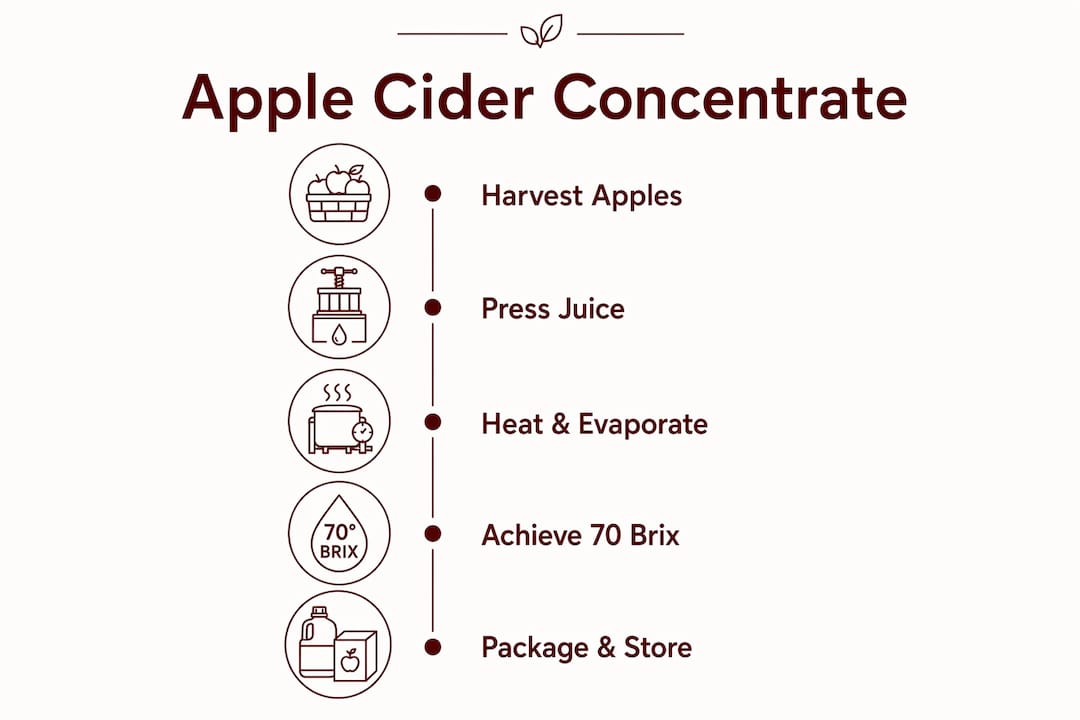
The simplest explanation: concentrate is fresh apple cider with most of the water cooked out. Historically, this product was called boiled cider or apple molasses, a New England staple made by reducing cider on the stovetop until it reached a thick, syrupy consistency. Traditional reductions cut the original volume down roughly seven times to hit that texture.
Commercial producers scale that process up and engineer for stability. A high-Brix concentrate at around 70 Brix is thick enough that microbial activity slows dramatically, which is why it can sit on a shelf or in a back-of-house cabinet without spoiling. That is the key difference from fresh cider, which ferments quickly, and from home-boiled reductions, which typically need refrigeration.
For context: a typical commercial apple cider concentrate is recommended to be diluted at a 7:1 ratio (one ounce concentrate with seven ounces of water for an 8 oz serving), and a 16 fl. oz. jug yields sixteen servings prepared to that guidance (producing close to a gallon when diluted as indicated).
Powdered apple cider mixes take a different path entirely. They trade flavor depth for portability. Concentrates deliver a more intense, natural flavor profile while powders can struggle with clumping and a noticeably artificial aftertaste. For a cafe that wants to put a seasonal cider latte on the menu, concentrate is the more credible ingredient.
On packaging, look for terms like “boiled cider,” “apple cider syrup,” or “apple cider reduction.” They all describe the same basic product. The label should state either a Brix reading or a recommended dilution ratio — if it lists neither, that is a red flag.
How to Use Apple Cider Concentrate
Start at 7:1 and adjust from there. One ounce of concentrate to seven ounces of hot water is the standard prep for an 8 oz serving. For a spice-forward result, drop to 5:1 or 6:1. For a lighter, more delicate cup, stretch it to 8:1. The ratio is a starting point, not a rule.
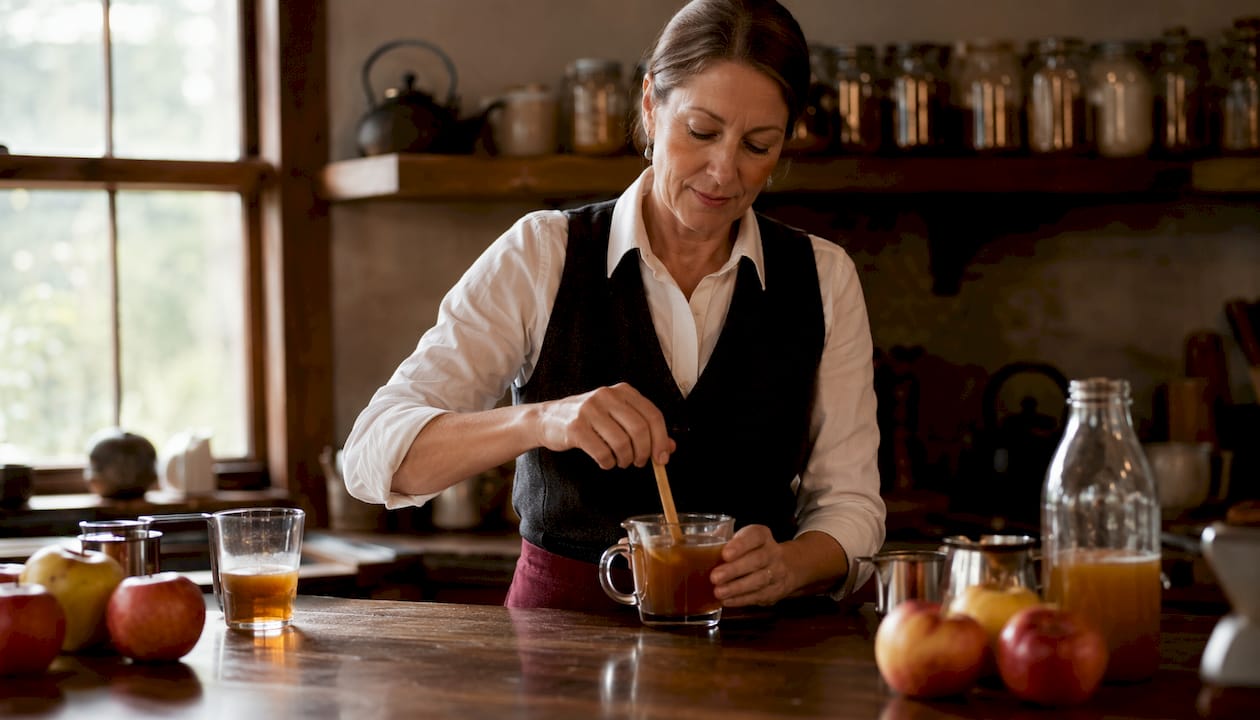
Cold applications need a little more care. Concentrate is thick and does not disperse easily in cold liquid. Warming a small amount first or using a blender or steam wand helps it integrate without leaving a syrupy pocket at the bottom of the cup. Skipping this step is the most common reason an iced cider drink tastes uneven.
Pro Tip: For iced cider drinks, mix the concentrate with a splash of hot water first to dissolve it fully, then pour over ice. This takes about 10 extra seconds and completely eliminates the clumping problem.
Hot serving tips for baristas:
- Use a steam wand to heat and aerate the diluted cider for a slightly frothy texture.
- Add a cinnamon stick or star anise to the cup rather than the concentrate jug to keep the base neutral.
- Pair with a shot of espresso for an apple cider latte — the bitterness cuts through the sweetness cleanly. For more cider-coffee pairing ideas, mixing techniques from flavored coffee recipes translate directly.
Single-serve math: 1 oz concentrate + 7 oz water = 8 oz finished drink. A 16 oz jug gives you 16 servings. A 64 oz jug gives you 64 servings. Simple enough to calculate mid-rush.
Apple Cider Concentrate Recipes and Batch Formulas
Single-serve recipes
| Drink | Concentrate | Liquid | Yield |
|---|---|---|---|
| Hot spiced cider | 1 oz | 7 oz hot water | 8 oz |
| Iced cider | 1 oz | 5 oz cold water + ice | ~8 oz |
| Cider latte | 1 oz | 5 oz steamed milk + 1 oz espresso | 8 oz |
| Cider syrup drizzle | Undiluted | — | Use by the teaspoon |
For batch service, a 64 oz jug at 7:1 covers 64 individual 8 oz cups. If your cafe sells 40 cider drinks per shift, one jug handles roughly 1.5 shifts. Order accordingly.
Making apple cider syrup from scratch is straightforward but time-intensive. A stovetop reduction of about 4 cups of fresh cider takes 25–35 minutes and yields roughly ¾ cup of syrup. Starting with 8 cups yields a reduced amount of syrup suitable for small batch use. That homemade version needs refrigeration and has a shorter usable window than commercial concentrate — worth knowing before you commit to scratch production at volume.
When to make it from scratch versus buying concentrate: scratch syrup shines for small-batch, artisan applications where you want to control every ingredient. For a coffee shop running 50+ cider drinks a week, commercial concentrate wins on time and consistency.
Cross-use ideas worth trying: apple cider glaze for pastries, a splash in a fall cocktail program (pairs well with bourbon or rum), and a teaspoon stirred into oatmeal or yogurt for a quick seasonal menu item. For cocktail inspiration, cider-forward drink builds follow the same layering logic as other flavored bases.
How to Choose and Buy Apple Cider Concentrate
The label tells you most of what you need to know before you commit to a case. Here is what to check:
- Brix or dilution ratio: A product that lists neither is not giving you the information needed to price servings accurately.
- Ingredient list: The best concentrates contain apple cider and nothing else, or apple cider plus spices. Added sugar, corn syrup, or artificial flavoring are signs of a lower-quality product.
- Container size and material: 16 oz glass or BPA-free plastic for retail; 54-gallon drums or 1-gallon jugs for foodservice. Match the size to your weekly volume.
- Certifications: Non-GMO, kosher, and no-added-preservatives labels matter both for your own standards and for menu marketing.
- Yield math before ordering: At 7:1, a 16 oz jug = 16 servings. A 1-gallon jug = 128 servings. Run the numbers against your projected weekly sales before placing a bulk order.
For cafes selling bottled cider as a retail item, packaging presentation matters. A clean label and glass bottle move better than a plain plastic jug on a shelf.
Storage and Shelf Life
Commercial high-Brix concentrates are engineered for ambient stability. A product at roughly 70 Brix does not require refrigeration even after opening, which makes back-of-house storage simple. Store it at room temperature, away from direct sunlight, and check the best-by date on the label.
Home-boiled cider syrup is a different story. Because it lacks the sugar density of commercial concentrate, it needs to go in the refrigerator and is best used within a few months. Freezing extends that window considerably — pour into ice cube trays for easy single-serve portions.
Spoilage signs to watch for: mold on the surface, off smells, or visible fermentation bubbles. Any of those means discard.
For cafe back-of-house staff, three non-negotiable habits: label every open container with the date it was opened, rotate stock using FIFO (first in, first out), and keep portion tools clean to avoid cross-contamination.
Why Cafes and Foodservice Operations Choose Concentrate
The business case is straightforward. Consistent, high-volume service with reduced prep labor is the core value proposition. A barista can make a cider drink in under 90 seconds. Scratch cider takes equipment, time, and a trained hand.
Operational advantages at a glance:
- Speed: No simmering or pressing required during service.
- Flavor consistency: Every drink tastes the same regardless of who made it or when.
- Reduced waste: High-Brix concentrate does not spoil quickly, so over-ordering is less costly than with fresh cider.
- Seasonal menu flexibility: One jug supports hot drinks, iced drinks, syrups, and baked goods simultaneously.
- Upsell potential: Bottled cider for retail, cocktail add-ons, and limited-time fall specials all draw from the same inventory.
Yield predictability is the underrated benefit. When you know exactly how many servings a jug produces, food cost calculations become reliable rather than approximate.
Fresh Cider, Powder, or Concentrate: Which One Fits Your Needs?
| Format | Taste Fidelity | Prep Ease | Shelf Life | Best For |
|---|---|---|---|---|
| Fresh cider | Highest | Low (perishable) | Days | Small-batch, local sourcing |
| Concentrate | High | High | Months to years | Cafe service, retail |
| Powder | Moderate | Very high | Long | Portability, travel |
Fresh cider wins on authenticity and local story. If you are sourcing from a nearby orchard and selling it by the cup, that provenance is part of the product. Concentrate wins on volume, consistency, and operational simplicity. Powder is the right call only when portability is the primary constraint — camping, pop-up events, or single-serve packets.
For a coffee shop running a fall menu, concentrate is almost always the right choice. For a home cook making one batch of cider donuts, fresh cider or a small homemade reduction works fine.
Key Takeaways
Apple cider concentrate is the most practical format for cafe service: shelf-stable, consistent, and fast to prepare at a 7:1 starting ratio.
| Point | Details |
|---|---|
| Start at 7:1 | One ounce concentrate to seven ounces water yields a standard 8 oz serving; adjust to 5:1 for more intensity. |
| Yield math matters | A 16 oz jug yields sixteen 1-oz servings and produces close to a gallon of finished cider when diluted at that ratio; calculate weekly volume before ordering bulk. |
| Storage by type | Commercial 70 Brix concentrate is shelf-stable after opening; home-boiled syrup needs refrigeration. |
| Fresh vs. concentrate | Fresh cider suits small-batch authenticity; concentrate is the better choice for consistent, high-volume service. |
| Espritkaffe pairing | Espritkaffe’s freshly roasted coffees pair directly with cider-based drinks for a seasonal cafe menu. |
The Part Most Guides Skip
Most articles about apple cider concentrate treat it as a standalone ingredient. That framing misses the real opportunity for a coffee menu.
The best fall drinks I have seen work because the cider and the coffee are calibrated against each other, not just poured together. A light roast with bright acidity will compete with apple notes rather than complement them. A medium or dark roast with caramel or nutty undertones gives the cider something to lean against. The ratio matters too: at 7:1, concentrate is sweet but not cloying, which means a single espresso shot can hold its own in a cider latte without getting buried.
The training gap is real. Staff who are used to pulling espresso shots do not automatically know how to taste for cider balance. A five-minute calibration at the start of each shift, where someone checks the dilution and adjusts by half an ounce if the batch tastes flat or sharp, prevents inconsistency across the day. That habit is worth building into your opening checklist before fall menu season starts.
Pair Your Cider Menu with Espritkaffe Coffee
Cider drinks are a natural fall menu addition, and they work best alongside a coffee that can hold its own in flavor. Espritkaffe’s freshly roasted beans are certified free of mycotoxins, heavy metals, mold, and yeast — which means the clean, precise flavor profile you get in the cup is exactly what you want next to a spiced apple drink, not competing with it.
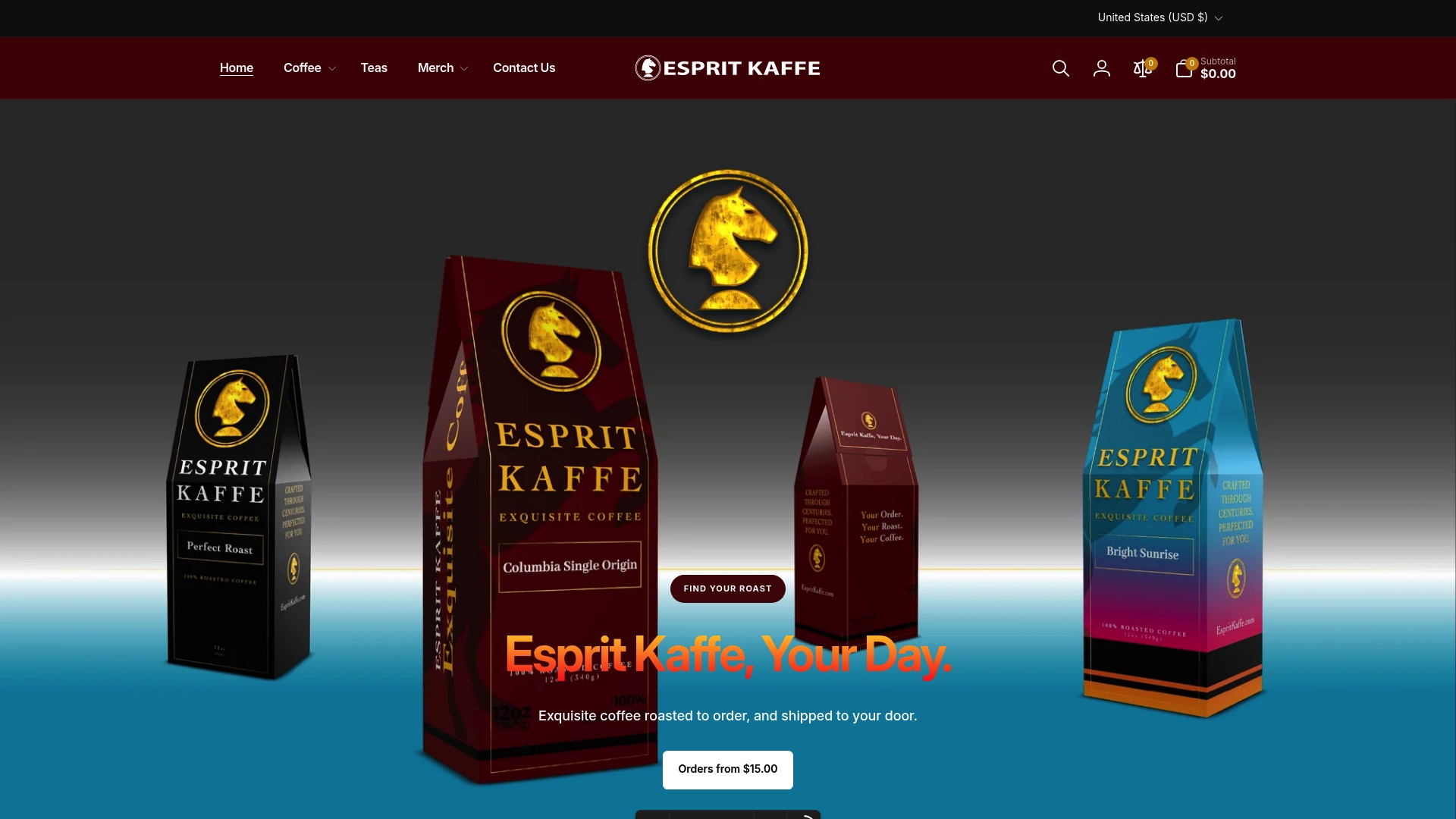
The instant coffee from Espritkaffe is a practical pairing for retail bundles: one jug of cider concentrate and a bag of instant coffee makes a simple, high-margin seasonal kit for home customers. For cafe operators, the medium roast is a strong candidate for an apple cider latte build. Browse the full range at Espritkaffe and find the roast that fits your fall menu.
Useful Sources
- Mountain Cider Company 16 fl. oz. 7:1 Concentrate — WebstaurantStore: product specs and prep ratios
- Apple Cider Concentrate vs. Powder — Mountain Cider: format comparison and operational notes
- 5 Tips for Making Drinks With Apple Cider Concentrate — Mountain Cider: cold-mixing technique guidance
- Apple Cider Syrup (Boiled Cider) — A Couple Cooks: scratch syrup recipe and yield notes
- Cider Syrup — Wikipedia: production history and boiled cider background
- Mountain Cider 70 Brix Drum — WebstaurantStore: commercial storage and Brix specifications
Before ordering bulk concentrate, verify the Brix rating and dilution guidance directly on the supplier’s product page — specifications can vary between product lines and packaging sizes.