

If you’re hunting for blackpowdercoffee.com alternatives, the short answer is this: Espritkaffe is the recommended direct-to-consumer pick for freshness, sourcing transparency, and lab-tested quality. Beyond that, the best match depends on what you’re actually after.
- Espritkaffe — best for coffee drinkers who want roast-date freshness, certified clean beans (mycotoxin, heavy metal, mold, and yeast free), and direct-to-consumer convenience
- Small-batch dark-roast artisan roasters — best for fans of manual drum-roasting and single-origin boldness who want to explore independent craft roasters
- Subscription-first specialty roasters — best for anyone who wants flexible delivery cadence and easy cancellation without commitment anxiety
- Flavored, infused, or mushroom-coffee blends — best for drinkers who want a gentler caffeine curve or functional ingredients alongside their morning ritual
TL;DR selection signals to scan: roast date on the bag, roast level (light/medium/dark), sourcing claims (direct-trade, Rainforest Alliance certified, farm partners), format availability (whole bean, ground, pods), and subscription flexibility. Those five signals separate the serious roasters from the marketing-heavy ones.
Table of Contents
- How do these alternatives compare across key buying dimensions?
- What should you expect from each recommended alternative?
- How do you pick the best alternative to the roaster you searched?
- What are the best research-backed alternatives if you want less caffeine?
- How were these alternatives selected?
- What does good customer service look like from a specialty coffee roaster?
- What does ethical sourcing actually look like beyond the certification label?
- Key Takeaways
- The case for caring about what’s actually in your bag
- Espritkaffe: a direct-to-consumer alternative worth trying
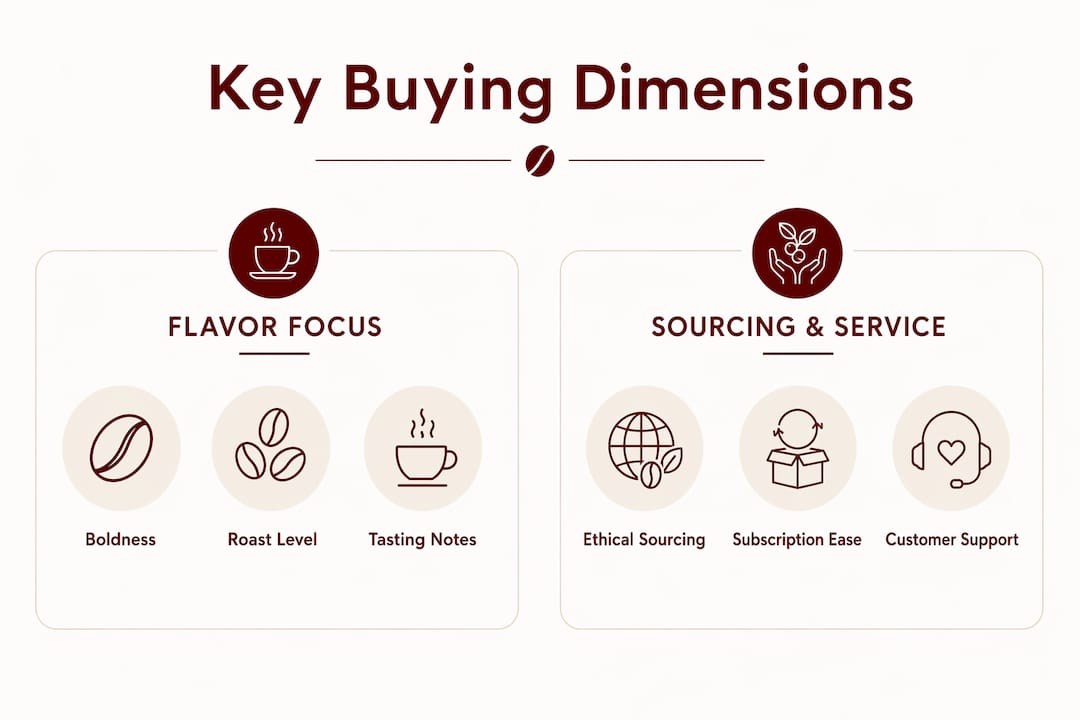
How do these alternatives compare across key buying dimensions?
Specialty roasters that emphasize direct-trade sourcing and small-batch roasting are the most effective alternatives for quality-minded drinkers. Here’s how the main categories stack up:
| Category | Best for | Roast level & flavor | Boldness | Formats | Price & subscription | Sourcing / certs | U.S. availability |
|---|---|---|---|---|---|---|---|
| Espritkaffe | Freshness-focused, health-conscious buyers | Light, medium, dark; clean, origin-forward | Medium to high | Whole bean, ground | Direct order; subscription available | Mycotoxin, heavy metal, mold & yeast tested | Ships direct nationwide |
| Small-batch dark-roast roasters | Bold, single-origin fans | Dark to extra dark; smoky, earthy, intense | High | Whole bean primarily; some ground | moderate price range; some subscriptions | Direct-trade, farm-partner claims common | Online; limited retail |
| Subscription-first specialty roasters | Convenience seekers, explorers | Varies by rotation; often medium to dark | Medium to high | Whole bean, ground, some pods | Monthly plans; trial offers common | Rainforest Alliance, fair trade common | Nationwide shipping |
| Flavored/infused & mushroom blends | Functional drinkers, low-jitter seekers | Medium; earthy, nutty, sometimes sweet | Low to medium | Ground, pods, instant | Prices vary. Often available via subscription. | Varies; organic claims common | Online primarily |
Two quick filters:
- Want less caffeine? Go straight to the flavored/infused or mushroom-blend category. Some mushroom-coffee blends are caffeine-free, while others contain about half the caffeine of coffee, depending on formulation.
- Want subscription flexibility? Subscription-first specialty roasters typically offer pause, skip, and cancel options without a long-term contract. Always check the cancellation policy before your first order.
Trust signals to verify on any product page before buying:
- Roast date (printed on the bag, not just a “best by” date)
- Cupping notes or tasting descriptors
- Sourcing claims with named farm partners or certifications
- Lab testing disclosures (mycotoxin, heavy metals)
What should you expect from each recommended alternative?
Espritkaffe
Espritkaffe sells freshly roasted whole bean and ground coffee direct to consumers, with roast options spanning light, medium, and dark. Every batch is certified free of mycotoxins, heavy metals, mold, and yeast — a standard most roasters don’t publish openly. The roast date is printed on each order, so you know exactly how fresh your beans are. Subscription options are available, and the direct-to-consumer model cuts out the middleman, meaning beans ship closer to roast day. For buyers who want a clean, traceable cup without hunting through retail shelves, this is the practical starting point.
Key signals:
- Roast date transparency on every order
- Lab-tested for mycotoxins, heavy metals, mold, and yeast
- Light, medium, and dark roast options; whole bean and ground
- Ships direct to your door across the U.S.
Small-batch dark-roast artisan roasters
Independent dark-roast artisans are the closest flavor match for Black Powder Coffee fans who want intensity and craft. These roasters typically use drum roasters with manual profile control, which allows them to dial in specific tasting notes batch by batch. Expect smoky, earthy, or chocolatey profiles and single-origin beans from Ethiopia, Sumatra, or Colombia. Prices usually fall within a moderate range per bag. Sourcing claims vary, so look for named farm partners or direct-trade disclosures rather than vague “ethically sourced” language.
Subscription-first specialty roasters
This category suits buyers who want discovery without friction. Subscription-first roasters rotate their offerings by season or harvest, so your bag changes every month. Most offer a trial bag at a reduced price, and the better ones let you pause or skip deliveries without calling anyone. Delivery cadence is usually every two or four weeks. Before subscribing, confirm the cancellation policy is self-serve (online, not by phone) and that the roast date appears on every shipment.
Flavored, infused, and mushroom-coffee blends
Mushroom-coffee blends — typically featuring lion’s mane, reishi, or cordyceps — aim to deliver a warm, roast-like flavor with a gentler energy curve. Editorial taste tests suggest they can feel less jittery than straight coffee, though functional claims about cognitive benefits remain debated among nutrition experts. These blends work best for drinkers who want something ritual-like in the morning without the caffeine spike. Expect earthy, slightly nutty flavor rather than the sharp boldness of a dark roast. Pods and instant formats are common, which makes them convenient but limits grind customization.
How do you pick the best alternative to the roaster you searched?
Use this five-step decision flow before you buy or subscribe:
- Define your roast preference. Light roasts are brighter and more acidic; dark roasts are bolder, smokier, and lower in perceived acidity. If Black Powder Coffee’s intensity is what you loved, target dark or extra-dark roast alternatives.
- Verify the roast date. A 7–21 day post-roast window is generally where whole-bean coffee hits its flavor peak for most roast styles. If a roaster only lists a “best by” date, that’s a red flag.
- Inspect sourcing claims. Direct-trade and Rainforest Alliance certifications are verifiable. “Ethically sourced” with no named partner is marketing copy, not a guarantee.
- Check format compatibility. If you brew with a French press, you need coarse ground or whole bean. Espresso drinkers need fine ground or the ability to grind fresh. Not every roaster offers all grind sizes.
- Review subscription and return terms. Confirm you can cancel online, check whether there’s a minimum commitment, and look for a satisfaction guarantee or return window.
Pro Tip: When reading tasting notes, treat them as directional, not literal. “Dark chocolate and cedar” means bold and slightly woody, not sweet. If a roaster lists three or more specific tasting notes with a named origin, that’s a sign they’re actually cupping their batches rather than guessing.
What are the best research-backed alternatives if you want less caffeine?
Many buyers switch roasters not just for flavor but to manage their caffeine intake while keeping the ritual. Two distinct paths exist: reduce caffeine within coffee, or replace coffee with a roast-like substitute.
Caffeine-free and low-caffeine coffee substitutes:
- Chicory root is naturally caffeine-free and delivers an earthy, roasted flavor that mimics dark coffee’s body. It’s also high in inulin, a prebiotic fiber that supports digestion. Brew it like drip coffee or blend it with a small amount of actual coffee to ease the transition.
- Dandelion root and roasted grain beverages (roasted barley, rye, or acorn) have been used as coffee substitutes since wartime rationing, and they genuinely replicate the dark, full-bodied profile that coffee drinkers recognize. Flavor is earthy and slightly bitter, without the caffeine.
- Mushroom-coffee blends sit in a middle category: some contain real coffee alongside functional mushrooms, cutting caffeine by roughly half; others are entirely coffee-free. Lion’s mane and reishi are the most common additions. The energy feels steadier to many drinkers, though the science on cognitive benefits is still inconclusive.
- Matcha and chai offer a different angle: both deliver caffeine alongside antioxidants, but the flavor profile is entirely distinct from coffee. Worth trying if you want an energy boost without the roasted-bean flavor.
Practical tips: Start by replacing one daily cup with chicory or a mushroom blend rather than switching cold. Mixing chicory at a 1:3 ratio with your regular coffee is a common entry point. Avoid herbal blends with licorice root if you have blood pressure concerns, and check labels for added sweeteners in ready-to-mix formats.
How were these alternatives selected?
The recommendations here are category-based, not exhaustive brand reviews. The filters applied:
- Roast profile fidelity: does the category or roaster produce bold, dark-roast profiles comparable to what Black Powder Coffee fans expect?
- Evidence of small-batch or manual roasting: drum roasters with manual profile control produce more consistent, customizable results than industrial-scale equipment
- Sourcing certifications or verifiable claims: direct-trade, Rainforest Alliance, or named farm partners, not generic language
- Format range: whole bean, ground, and pod availability to match different brew methods
- Subscription policies: flexibility to pause, skip, or cancel without friction
- U.S. shipping coverage: all recommended categories ship nationwide
Primary sources include specialty coffee reviews, beverage health publications (Healthline, Bon Appétit), and Espritkaffe’s own product and sourcing pages. No exhaustive brand testing was conducted. Where direct competitor naming is avoided, category-based descriptions are used so readers can apply the criteria to any roaster they find.
What does good customer service look like from a specialty coffee roaster?
Customer service is one of the easiest things to overlook until something goes wrong with your order. For specialty coffee roasters, the baseline expectation is email support with a response window under 48 hours, a clear return or satisfaction policy, and self-serve subscription management. The best roasters go further: live chat during business hours, proactive shipping notifications, and a no-questions-asked replacement policy for damaged or stale bags.
Before subscribing to any roaster, check whether subscription changes (pause, skip, cancel) are handled online without a phone call. That single detail separates roasters who built their systems for customers from those who built them for retention. Espritkaffe handles orders direct-to-consumer, which keeps the support chain short. If something’s wrong with your bag, you’re talking to the roaster, not a third-party fulfillment center.
What does ethical sourcing actually look like beyond the certification label?
Certifications like Rainforest Alliance or fair trade are a floor, not a ceiling. The roasters worth your money go further: they publish the farm or cooperative name, the country and region of origin, the harvest year, and sometimes the altitude and processing method. That level of detail is only possible when a roaster has a direct relationship with the producer, not just a broker.
Sustainability beyond certifications also shows up in packaging (compostable or minimal plastic), carbon-offset shipping disclosures, and water-use practices at the roastery. Some small-batch roasters publish annual impact reports or partner with reforestation programs in their source countries. These aren’t marketing checkboxes — they reflect whether a roaster’s sourcing philosophy holds up when no one’s auditing them. When evaluating any alternative, ask whether the sourcing story is specific enough to be verifiable. Vague claims are easy; named farm partners are not.
Key Takeaways
The most reliable way to find a strong blackpowdercoffee.com alternative is to match roast level, verify the roast date, and confirm sourcing claims before you subscribe.
| Point | Details |
|---|---|
| Roast date is non-negotiable | Whole-bean coffee peaks in flavor within a few weeks post-roast; always confirm the date is printed on the bag. |
| Sourcing claims need specifics | Named farm partners or Rainforest Alliance certification beats vague “ethically sourced” language every time. |
| Subscription red flags | If you can’t cancel or pause online without calling, look for a different roaster. |
| Caffeine-free options exist | Chicory root and roasted grain beverages replicate dark-roast body without caffeine; some mushroom blends are caffeine-free while others contain about half the caffeine of coffee, depending on formulation. |
| Espritkaffe as a vetted pick | Espritkaffe ships freshly roasted, lab-tested beans (mycotoxin, heavy metal, mold, and yeast free) direct to U.S. customers with roast-date transparency. |
The case for caring about what’s actually in your bag
The conventional wisdom in specialty coffee is that roast level is the main variable. Pick dark, get bold. Pick light, get fruity. That framing misses something most roasters don’t advertise: the cleanliness of the bean matters as much as the roast profile.
Mycotoxins are mold-derived compounds that can form on coffee beans during improper drying or storage. Most roasters don’t test for them because testing costs money and the results aren’t required on labels. The same goes for heavy metals. A dark roast from a beautifully sourced farm can still carry contamination if the supply chain isn’t monitored. That’s the gap most “best alternatives” lists skip entirely.
When you’re comparing roasters, the sourcing story and the lab-testing disclosure tell you more about what you’re actually drinking than the tasting notes do. Bold and earthy is easy to promise. Clean, tested, and traceable is harder to deliver. That’s the standard worth holding any alternative to.
Espritkaffe: a direct-to-consumer alternative worth trying
Most alternatives to blackpowdercoffee.com ask you to choose between bold flavor and sourcing transparency. Espritkaffe doesn’t make you pick.
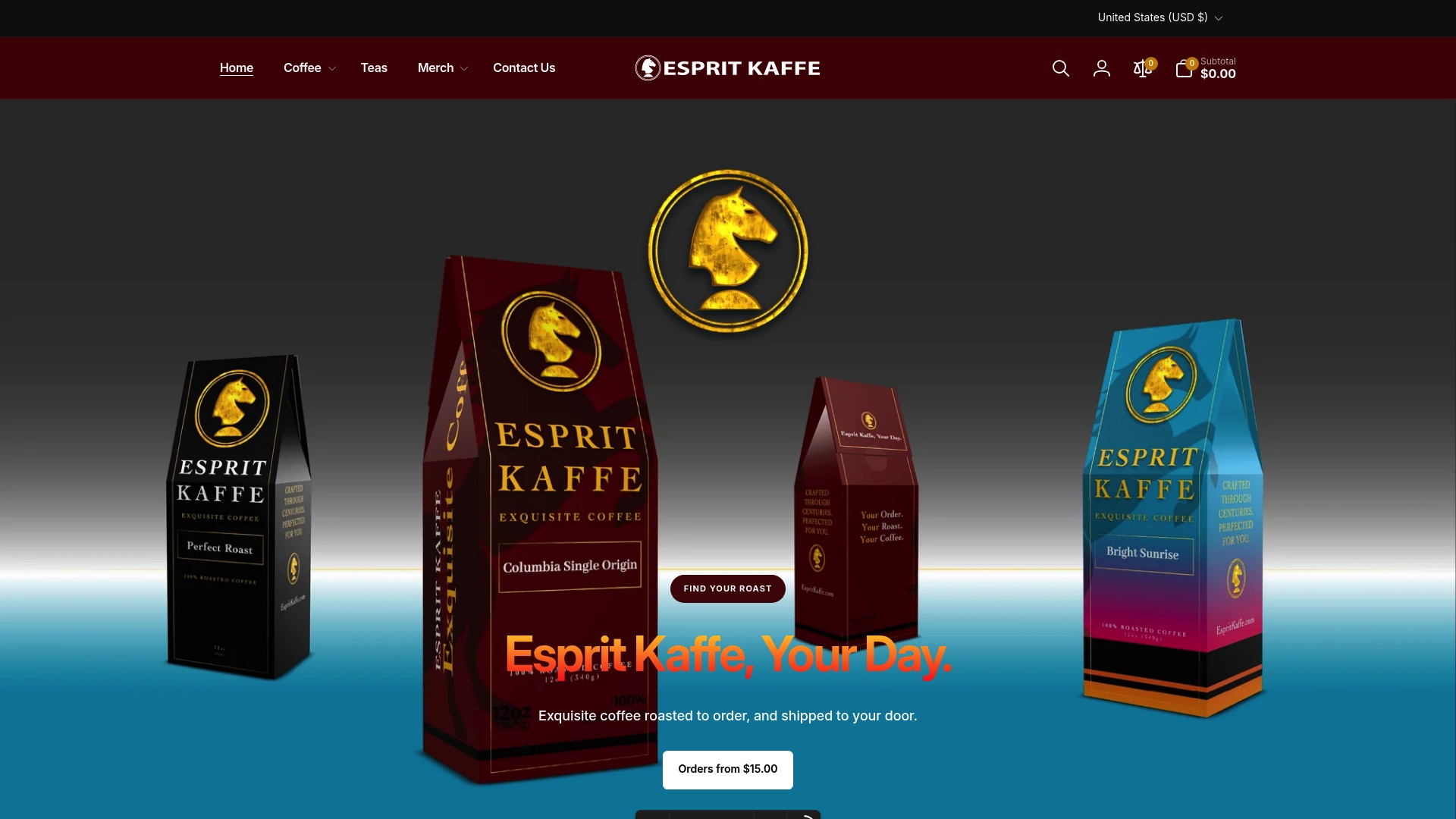
Every bag ships freshly roasted, with the roast date printed so you know exactly what you’re getting. The beans are certified free of mycotoxins, heavy metals, mold, and yeast — a level of testing most roasters don’t publish. Roast options cover light, medium, and dark, with whole bean and ground formats available. For something genuinely different, the Coffee with Mushrooms Medium Roast pairs functional mushroom ingredients with a clean, smooth medium roast profile — lower jitter, same ritual.
Before you order, check:
- Your preferred roast level (light, medium, dark)
- Format needed (whole bean or pre-ground)
- Whether you want a one-time order or subscription delivery
Orders ship direct to your door across the U.S. Visit Espritkaffe to browse roast options and place your first order.