

Upgrade these eight coffee elements and you will get clearer, more consistent cups that support focus during remote work. Here is the checklist — scan it now, act on it today.
- Beans: Buy freshly roasted whole beans with a visible recent roast date
- Grinder and dosing: Switch to a burr grinder; weigh every dose on a scale
- Brew method and recipes: Pick one fast method and one ritual method; use a 1:16 coffee-to-water ratio as your baseline
- Water and temperature: Use filtered water at 195–205°F
- Caffeine timing: Align your first cup with your first deep-work block, not the moment you wake up
- Workspace and ritual: Build a compact, dedicated station with a 2–3 step brewing routine
- Maintenance: Daily rinse, weekly deep clean, monthly descale
- Buying and subscription: Match your subscription cadence to actual consumption, not calendar months
Espritkaffe’s single-origin collections are certified mycotoxin, heavy-metal, mold, and yeast free — a concrete trust signal that matters when you are drinking two or three cups a day, every workday.
Table of Contents
- What should you look for in freshly roasted beans?
- Why your grinder matters more than your machine
- Which brew methods fit a remote work schedule?
- Does water quality actually change your cup?
- How should you time caffeine for remote work focus?
- How do you set up a compact home coffee station?
- What does a realistic maintenance schedule look like?
- How should you buy premium beans without decision fatigue?
- Key Takeaways
- The case for clarity-first roasting
- Fresh beans delivered to your desk, without the friction
What should you look for in freshly roasted beans?
Roast date is the single most important label on any bag. Whole beans hit peak flavor roughly a few days after roast and stay there for about two weeks. Buy beans roasted recently and you are working with live, expressive coffee. Buy beans with no roast date at all, and you have no idea what you are drinking.
Roast level shapes your workday more than most remote workers realize. Light roasts preserve the most origin character and tend to taste brighter and more complex, which many people find easier to drink black during long focus sessions. Medium roasts balance sweetness and body without the heavy bitterness that can make a third cup feel like a chore. Dark roasts are bold but lose nuance quickly after roasting. For clarity and repeatability, start with a medium roast and adjust from there.
Single-origin beans give you a consistent flavor reference point. When you dial in a grind and dose for one origin, you can reproduce it reliably. Blends are designed for balance, which is great for espresso-style drinks, but they make troubleshooting harder because the flavor profile shifts as each component ages at a different rate.
Certifications matter for daily drinkers. Espritkaffe’s beans are certified free of mycotoxins, heavy metals, mold, and yeast, which is worth checking on any bag you buy regularly. Custom roast orders and sample packs let you dial in your preferred roast level before committing to a larger quantity.
Pro Tip: Store whole beans in an opaque, airtight container at room temperature. Buy in small batches and rotate stock so you are always brewing within 2–3 weeks of roast for peak clarity.
- Check for a printed roast date before checkout
- Choose single-origin for easier dialing and repeatability
- Start with medium roast if you are unsure
- Order a sample pack before subscribing
Why your grinder matters more than your machine
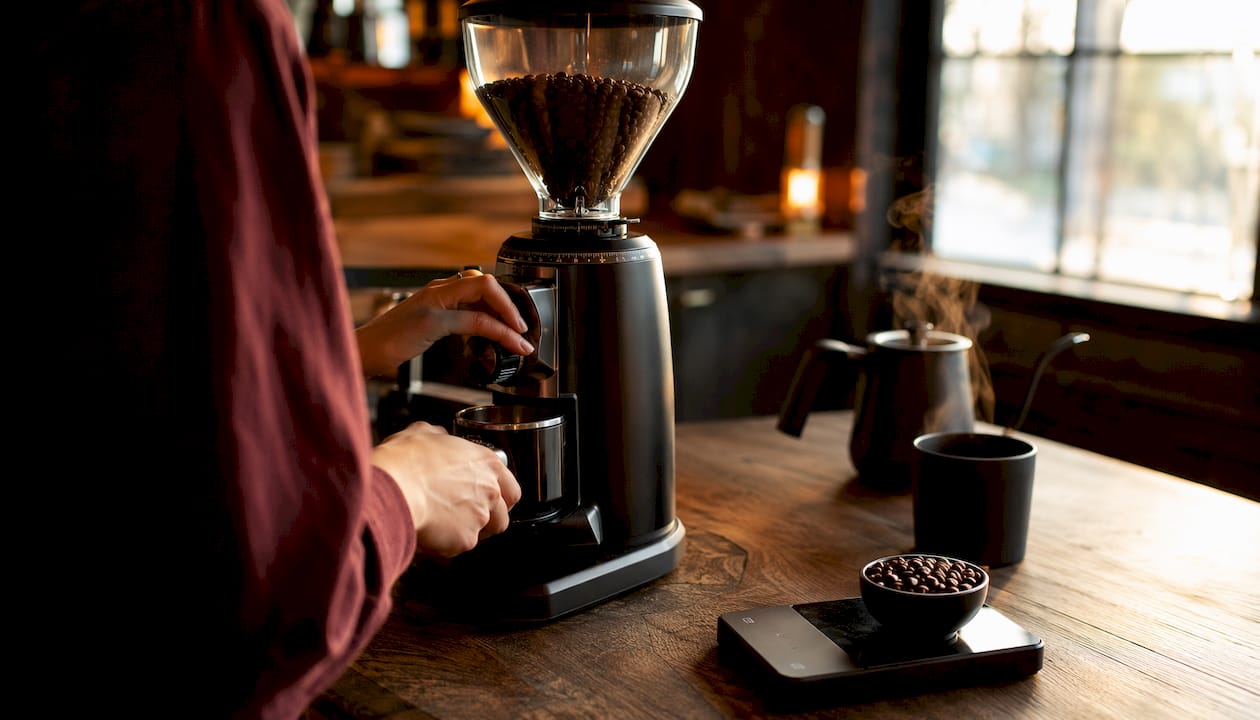
A burr grinder is non-negotiable for repeatable results. Blade grinders chop beans unevenly, producing a mix of fine dust and coarse chunks that extract at different rates. The result is a cup that tastes simultaneously bitter and sour. A burr grinder crushes beans between two abrasive surfaces, producing uniform particles that extract evenly. For espresso-style drinks especially, grinder consistency affects extraction more than small differences between entry-level machines.
A kitchen scale accurate to 0.1 grams removes the single biggest variable in home brewing: inconsistent dose. Eyeballing scoops introduces enough variation to make the same beans taste different every day. Weigh your dose, weigh your water, and adjust one variable at a time.
| Brew Method | Grind Size | Dose Ratio (coffee:water) |
|---|---|---|
| Espresso | Extra fine (table salt) | 1:2 (18g in) |
| Pour-over | Medium-fine (sea salt) | 1:16 |
| AeroPress | Medium to medium-fine | 1:12–1:15 |
| French press | Coarse (breadcrumbs) | 1:16 |
| Drip (auto) | Medium | 1:16 |
| Cold brew | Extra coarse | 1:4 (concentrate) |
Budget guidance: for manual brew methods, a quality burr grinder in the $100–$200 range delivers most of the consistency gains. Espresso demands tighter tolerances, so budget $200–$300 for the grinder alone before you spend anything on the machine.
- Burr grinder first, better machine second
- Weigh every dose; a 0.1g scale costs less than a bag of specialty beans
- Adjust grind size before adjusting dose when troubleshooting
Which brew methods fit a remote work schedule?
Pick two methods: one fast, one ritual. The fast method gets you caffeinated between meetings. The ritual method marks the start of a deep-work block.
Drip (auto): 60g coffee to 1,000g water, medium grind, standard brew cycle. Set it before your first call and it is ready when you are. Troubleshooting: weak cup means grind finer or increase dose.
AeroPress: 15g coffee, 200g water at 200°F, medium-fine grind, press at 1:30. Brew a strong cup between calls in about two minutes. With a Flow Control Cap, you get full immersion control and can pull an espresso-style shot. Troubleshooting: bitter taste means grind coarser or shorten steep time.
Pour-over: 20g coffee, 320g water at 200°F, medium-fine grind. Start with a 40g bloom pour, wait 30 seconds, then pour in slow concentric circles over 2:30–3:00 total. A precision grinder and temperature-controlled gooseneck kettle make this method repeatable. Troubleshooting: slow drain means grind coarser.
French press: 30g coffee, 500g water at 200°F, coarse grind, steep 4 minutes, press slowly. The French press guide from Espritkaffe covers coarse-grind specifics and steep-time adjustments for body and clarity. Troubleshooting: muddy cup means grind coarser or decant immediately after pressing.
Cold brew concentrate: 100g coffee, 800g water, extra-coarse grind, steep 12–18 hours in the fridge. Batch it Sunday night and dilute 1:1 through the week. Lower acidity, easy on long afternoons.
Pro Tip: Batch cold brew or a full drip carafe on days with back-to-back meetings. One brew decision in the morning beats five interruptions.
Does water quality actually change your cup?
Yes, and it is one of the cheapest upgrades on this list. Water that is too soft under-extracts; water that is too hard over-extracts and leaves scale in your equipment. Filtered tap water hits the right mineral range for most home setups without the cost of bottled water.
Temperature targets: 195–205°F covers pour-over, drip, AeroPress, and French press. Consistency matters more than hitting an exact number. A temperature-controlled kettle removes the guesswork entirely. If you do not have one, bring water to a boil and let it sit for 30 seconds.
A gooseneck kettle is the highest-impact small tool for pour-over. The narrow spout gives you precise flow control, which directly affects extraction evenness. Paper filters produce a cleaner, brighter cup; metal filters let more oils through for a heavier body. Neither is wrong; pick based on your roast and preference.
Pro Tip: Add a gooseneck kettle before anything else if pour-over is your ritual method. It is a $30–$60 upgrade that changes the method entirely.
- Filtered tap water for daily brewing
- Temperature-controlled kettle for consistency
- Paper filters for clarity; metal filters for body
How should you time caffeine for remote work focus?
The core rule: align your first cup with your first planned deep-work block, not the moment you roll out of bed. Caffeine takes roughly 30–45 minutes to peak. Drinking it during a meeting means the peak arrives after the meeting ends.
Pairing brew strength to your meeting cadence reduces judgment calls during the day. A strong pour-over before a two-hour writing block makes sense. A full espresso shot immediately before a long video call, when you are already talking fast, often does not. Planning caffeine around your meeting calendar is a practical framework worth bookmarking.
For late-day focus, reducing caffeine without losing productivity is achievable with half-caf blends, diluted cold brew, or a short extraction that delivers less total caffeine per cup. Cutting off full-strength coffee by 1:00–2:00 PM protects sleep without sacrificing afternoon output.
Pro Tip: Run a one-week experiment: log your first cup time, your peak focus window, and your sleep quality. Most remote workers find their optimal first-cup window is 60–90 minutes after waking.
How do you set up a compact home coffee station?
The physical essentials fit on a small tray: grinder, scale, kettle, and one dedicated mug. That is it. A tray or mat defines the station visually and keeps the counter from creeping into chaos.
Position the station near an outlet but away from your primary monitor. Placing it across the room, even just a few steps, forces a brief movement break between work blocks. That small friction is a feature, not a bug. A designated coffee corner creates a psychological boundary that a mug sitting next to your keyboard never will.
A 2–3 step brewing ritual anchors the transition between work modes. Grind, pour, wait. Those three steps take under five minutes and signal to your brain that a break is real. Research on at-home coffee routines supports this: a consistent routine improves focus and structure for remote workers. A mug warmer keeps your cup at drinking temperature during long sessions without reheating, which is a low-cost desk upgrade worth adding.
For eco-conscious setups, reusable metal filters and a compact station with minimal single-use waste align with sustainable remote-office trends that more home workers are adopting.
What does a realistic maintenance schedule look like?
Daily rinse prevents coffee oil buildup that turns cups bitter. Weekly deep clean removes residue from grinder burrs, brew chambers, and carafes. Monthly descaling clears mineral deposits from kettles and machines, especially if your water is hard.
Daily: Rinse brewer, portafilter or press, and carafe with hot water immediately after use.
Weekly: Brush grinder burrs with a stiff dry brush; wash all removable parts with mild dish soap; run a cleaning tablet through your drip machine or AeroPress.
Monthly: Descale your kettle and machine with a food-safe descaler or a white vinegar solution (1:1 with water, run through, then flush twice with clean water).
Common work-hours issues:
- Bitter extraction: grind is too fine or water is too hot; coarsen grind first
- Clogged filter: grounds too fine for the filter type; switch to a coarser setting or a metal filter
- Uneven grind: burrs need cleaning or replacement; brush them out before the next brew
Replace paper filters as needed, grinder burrs every 500–1,000 hours of use, and rubber gaskets on espresso equipment annually. Staying ahead of these prevents the mid-morning breakdown that derails a workday.
How should you buy premium beans without decision fatigue?
Match your subscription cadence to actual consumption. A solo remote worker brewing two cups a day uses roughly 250g per week. A monthly subscription of 500g means stale beans in week three. Order 250g every two weeks, or 500g monthly only if you share with a household.
Before checkout on any vendor page, check four things:
- Roast date: printed on the bag, under 21 days from your delivery date
- Origin transparency: single-origin with named farm or region, or a clearly described blend
- Roast-level options: light, medium, and dark available so you can match your preference
- Certification claims: mycotoxin, heavy-metal, mold, and yeast free if you drink daily
Sample packs solve the commitment problem. Try two or three roast levels before locking into a subscription. Espritkaffe’s single-origin collections include roast-date transparency and certification details on every bag, which removes the guesswork from the vendor-evaluation checklist above.
Key Takeaways
The single most impactful move in any home coffee upgrade is buying a burr grinder and a scale before spending money on anything else.
| Point | Details |
|---|---|
| Grinder and scale first | A burr grinder plus a 0.1g scale delivers more cup consistency than any machine upgrade. |
| Beans with a recent roast date | Freshness is important; roast date on the bag helps ensure peak flavor. |
| Caffeine timing | Align your first cup with your deep-work block, not wake-up; cut full-strength coffee by early afternoon. |
| Workspace ritual | A 2–3 step brewing routine at a dedicated station reduces decision fatigue and marks real breaks. |
| Espritkaffe beans | Single-origin, roast-date transparent, and certified mycotoxin and heavy-metal free for daily drinkers. |
The case for clarity-first roasting
Most coffee advice focuses on gear. The gear matters, but it is downstream of the bean. A perfectly dialed grinder and a flawless pour-over technique still produce a mediocre cup if the beans were roasted six weeks ago or sourced without transparency.
At Espritkaffe, the roasting philosophy starts with one question: does this cup support clarity? That means roasting to a profile that preserves origin character without hiding behind heavy caramelization. It means printing the roast date on every bag. It means certifying every batch free of mycotoxins, heavy metals, mold, and yeast, because remote workers drinking two or three cups a day deserve to know exactly what is in them.
The checklist in this article works best when the beans are worth the effort. A well-dialed 1:16 pour-over made with a single-origin medium roast from a transparent roaster tastes noticeably different from the same technique applied to anonymous grocery-store beans. That difference is what the whole setup is actually for.
Fresh beans delivered to your desk, without the friction
Espritkaffe makes the buying side of this checklist straightforward. The single-origin collection ships freshly roasted beans with a printed roast date, full origin transparency, and certification on every bag. Sample packs let you test roast levels before committing to a subscription, and subscription cadence can be matched to your actual weekly consumption rather than a default monthly cycle.
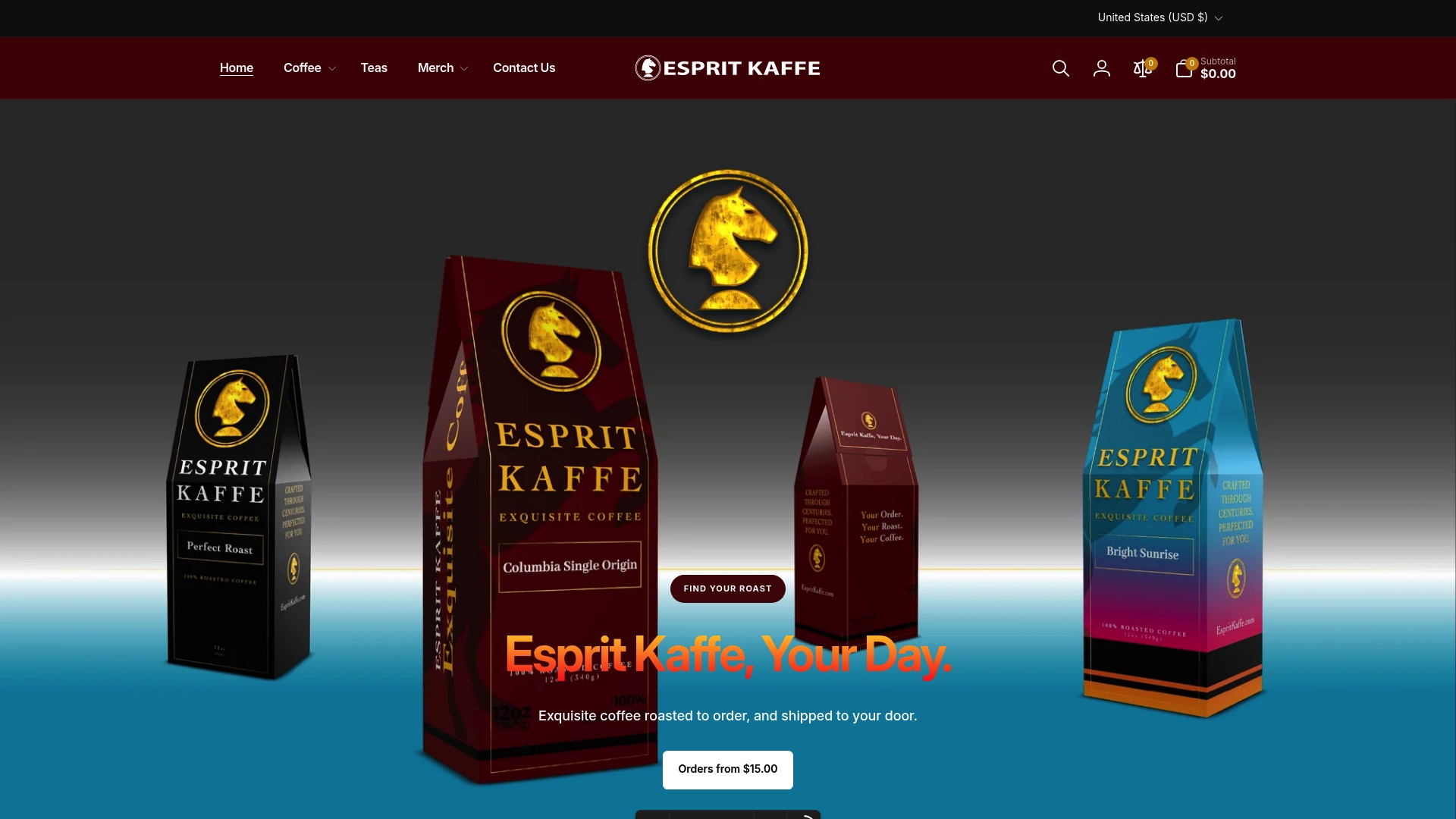
For remote workers who have already upgraded their grinder and dialed their brew method, the last variable is the bean itself. Browse the single-origin collection, pick a sample pack, and taste the difference a roast date makes.