

Black coffee powder is defined as finely ground or instant coffee used to brew pure, bold coffee without additives like milk or sugar. It comes in two main forms: finely ground coffee for filter or French press brewing, and instant coffee granules that dissolve directly in hot water. Both deliver 100% coffee content with no fillers. Espritkaffe sources and roasts for people who want exactly this: clarity in the cup, nothing extra. Whether you’re tracking caffeine intake, chasing health benefits, or looking for new recipes, this guide covers everything you need.
What is black coffee powder, and how is it different from regular coffee?
Black coffee powder is the industry term for any dried, ground, or spray-dried coffee product designed to brew without dairy or sweeteners. The phrase “coffee powder” covers two distinct categories. The first is finely ground coffee, which requires a brewing device like a drip machine, French press, or pour-over. The second is instant coffee granules, which dissolve in water with no equipment needed.
The key difference between the two is solubility. Ground coffee must be filtered out after brewing. Instant granules dissolve completely, leaving no sediment. Both forms come from roasted coffee beans, but instant coffee goes through an additional drying process, either spray-drying or freeze-drying, that converts brewed liquid into powder or granules.
Pure organic black coffee powder from regions like Kerala, India, is sourced from natural plantations and delivers rich aroma without chemical additives. That origin transparency matters because it signals both flavor quality and clean ingredient sourcing. When you see “100% coffee” on a label, it means no fillers, no artificial flavors, and no hidden sugars.
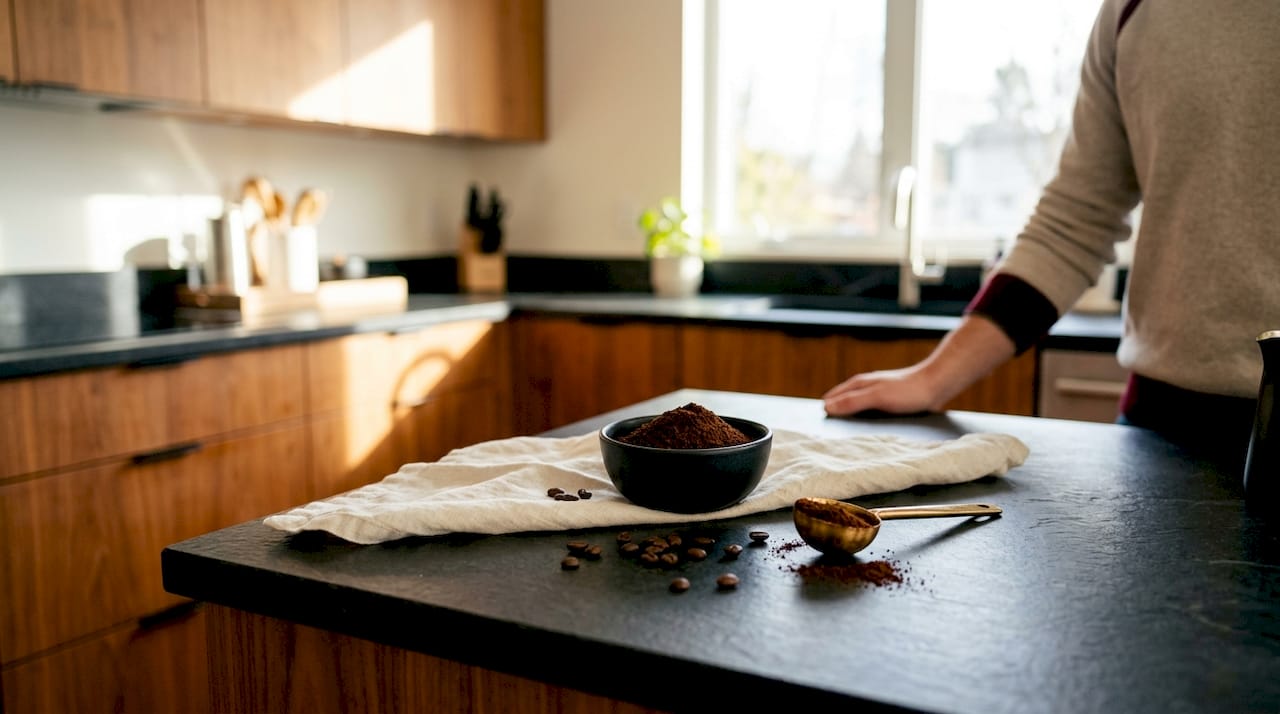
Dark roast coffee powder tends to have a bolder, more bitter flavor profile than medium or light roasts. The roasting process breaks down more chlorogenic acids in dark roasts, which changes both taste and antioxidant composition. Understanding roast level is the first step toward choosing the right powder for your palate. For a deeper look at how roast and origin shape flavor, the black coffee bean guide from Espritkaffe covers the full picture.
What is the caffeine content in black coffee powder?
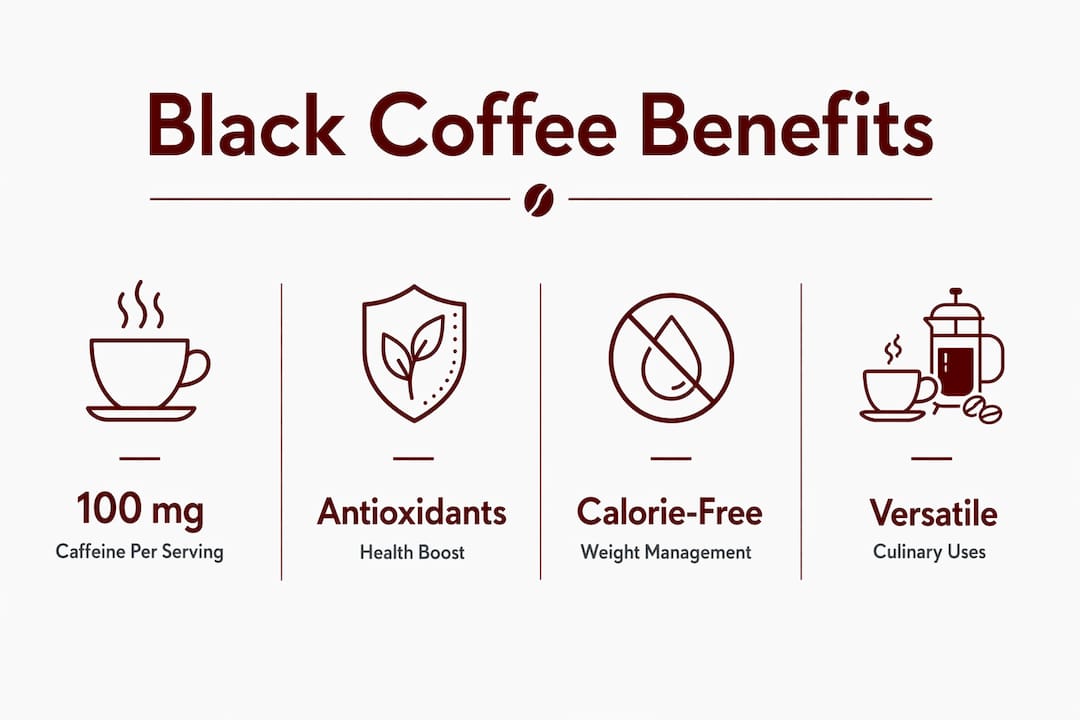
Caffeine content is the most searched detail about coffee powder, and the answer depends on the product type and roast level. Many premium dark roast instant powders contain about 100 mg of caffeine per serving. That figure puts instant coffee powder on par with a standard cup of brewed drip coffee, which surprises most people who assume instant is weaker.
Several factors shift caffeine levels up or down:
- Roast level: Lighter roasts retain slightly more caffeine by weight than dark roasts, though the difference is small in practice.
- Bean variety: Robusta beans contain roughly twice the caffeine of Arabica beans. A powder labeled “100% Arabica” will generally be lower in caffeine than a Robusta blend.
- Serving size: Instant granules are measured by weight or volume per cup. Using more powder per cup directly increases caffeine per serving.
- Specialty blends: Some functional powders add green tea extract or green coffee to boost caffeine beyond the standard 100 mg range.
- Product concentration: Certain dark roast instant powders are marketed as five times stronger than regular coffee, meaning caffeine per gram is significantly higher.
The U.S. Food and Drug Administration considers 400 mg of caffeine per day a safe upper limit for healthy adults. At 100 mg per cup, most people can comfortably drink three to four cups of standard black coffee powder before approaching that ceiling. If you want to track intake more carefully, the caffeine management guide from Espritkaffe breaks down timing and dosing by activity.
Pro Tip: If you are sensitive to caffeine, look for a decaf version of your preferred powder. Decaf black coffee still delivers antioxidants and flavor without the stimulant load.
How do you prepare black coffee using coffee powder?
Preparation method determines whether your cup tastes flat or exceptional. The steps differ slightly between instant granules and finely ground powder, but the principles are the same: use the right water temperature, measure accurately, and never boil the coffee itself.
Instant coffee granules
- Heat water to 195–205°F (just off a full boil). Boiling water at 212°F scorches the granules and produces a bitter, harsh taste.
- Add 1–2 teaspoons of instant granules to your cup. Adjust to taste.
- Pour hot water over the granules and stir for 10–15 seconds until fully dissolved.
- Drink immediately for peak aroma. Colombian instant granules dissolve in seconds and deliver a smooth, balanced cup without any equipment.
Finely ground coffee (drip or French press)
- Measure 1–2 tablespoons of ground coffee per 6 oz of water.
- For drip machines, add the grounds to a paper or metal filter and brew normally.
- For a French press, add grounds directly to the carafe, pour hot water (195–205°F), stir once, and steep for 4 minutes before pressing.
- Pour immediately after pressing to prevent over-extraction, which turns the coffee bitter.
Common mistakes to avoid
Pouring boiling water directly onto grounds or granules destroys volatile aromatic compounds. Using stale powder produces a flat, cardboard-like flavor. Tap water with high mineral content can dull the taste. Filtered water consistently produces a cleaner, brighter cup.
Pro Tip: Store your coffee powder in an airtight container away from light and heat. Proper airtight storage preserves aroma and quality for up to 12 months.
An alternative worth knowing: concentrated coffee paste made from 100% Colombian Arabica dark roast dissolves instantly with no brewing gear and yields about 30 cups per tube with zero sugar or sweeteners. It is a practical option for travel or minimalist setups.
What are the health benefits of drinking black coffee made from coffee powder?
Black coffee made from pure coffee powder is calorie-free when consumed without additives. That zero-calorie baseline makes it one of the few flavorful beverages that does not disrupt fasting, calorie tracking, or blood sugar management.
The health benefits of black coffee extend well beyond caffeine. Coffee is one of the richest dietary sources of polyphenols, a class of antioxidants that protect cells from oxidative stress. Regular moderate consumption is linked to improved cognitive alertness, faster metabolism, and reduced risk of certain chronic conditions.
“Moderate coffee consumption provides antioxidants, supports metabolism, and improves cognitive alertness. These benefits come from the full spectrum of compounds in coffee, not caffeine alone. Polyphenols and chlorogenic acids play a significant role in the health profile of black coffee.”
Key benefits supported by research include:
- Antioxidant activity: Coffee polyphenols neutralize free radicals, reducing cellular damage over time.
- Metabolism support: Caffeine increases metabolic rate in the short term, which is why coffee appears in many weight management protocols.
- Cognitive alertness: Caffeine blocks adenosine receptors in the brain, reducing fatigue and sharpening focus for several hours.
- Liver health: Regular coffee consumption is associated with lower rates of liver disease in population studies.
- Mood support: Caffeine stimulates dopamine production, which contributes to improved mood and motivation.
Organic black coffee powder carries an additional advantage. Beans grown without synthetic pesticides reduce your exposure to chemical residues with every cup. Pure organic powder from certified plantations delivers these benefits without the chemical load of conventionally grown coffee.
Moderation matters. Exceeding 400 mg of caffeine daily can cause anxiety, disrupted sleep, and elevated heart rate. People with acid reflux may find dark roast coffee powder easier on the stomach than lighter roasts, since darker roasting reduces certain acidic compounds.
How can you use black coffee powder beyond brewing?
Coffee powder is a culinary ingredient as much as a beverage base. Its concentrated flavor makes it a natural fit for recipes where you want depth without liquid volume.
Here are practical uses that go well beyond the morning cup:
- Coffee smoothies: Blend 1 teaspoon of instant coffee granules with a frozen banana, almond milk, and a tablespoon of cocoa powder. The result is a cold, caffeinated drink with no added sugar.
- Dry rubs for meat: Mix dark roast coffee powder with smoked paprika, garlic powder, and black pepper. Apply to beef brisket or pork ribs before grilling. The coffee creates a dark crust and adds earthy depth to the meat’s flavor.
- Baked goods: Add 1–2 teaspoons of finely ground coffee to brownie or chocolate cake batter. Coffee intensifies chocolate flavor without making the dessert taste like coffee.
- Coffee cocktails: Dissolve instant granules in a small amount of warm water, then add to an espresso martini or cold brew cocktail base.
- Spiced black coffee: Stir a pinch of cinnamon, cardamom, or cayenne into your brewed cup. These spices complement coffee’s natural bitterness and add complexity without sugar or cream.
- Coffee ice cubes: Brew a strong cup, pour it into an ice cube tray, and freeze. Use the cubes in iced coffee drinks so the flavor stays concentrated as they melt.
Bold Arabica dark roast powder with chocolate and cherry notes works especially well in dessert recipes because its flavor profile mirrors the ingredients already in the dish. Matching the coffee’s tasting notes to the recipe produces a more cohesive result than using a generic powder.
For flavor pairings, coffee pairs naturally with chocolate, vanilla, citrus zest, cinnamon, and smoked or charred flavors. It clashes with delicate floral notes like lavender or rose, where its bitterness overwhelms the subtler taste.
Key Takeaways
Black coffee powder delivers caffeine, antioxidants, and culinary versatility in one ingredient, making roast level and storage the two most important quality decisions.
| Point | Details |
|---|---|
| Caffeine per serving | Most dark roast instant powders contain about 100 mg of caffeine per serving. |
| Preparation temperature | Use water at 195–205°F to avoid scorching grounds or granules. |
| Health profile | Black coffee is calorie-free and rich in polyphenols that support metabolism and cognitive function. |
| Storage rule | Airtight containers away from light and moisture preserve powder quality for up to 12 months. |
| Culinary range | Coffee powder works in dry rubs, baked goods, smoothies, and cocktails beyond standard brewing. |
What I’ve learned from years of drinking black coffee powder
Most people pick a coffee powder based on price or brand recognition and never revisit that choice. That is a mistake. Roast level and bean origin are the two variables that determine whether your cup is something you look forward to or something you just get through.
I spent a long time defaulting to whatever dark roast was on sale. The cups were fine. They were not memorable. The shift happened when I started paying attention to origin. Single-origin powders from specific regions, whether Kerala, Colombia, or Ethiopia, have distinct flavor signatures that generic blends erase. Once you taste the difference, the generic option stops being acceptable.
Storage is the other thing most people get wrong. Coffee powder left in its original bag, loosely folded at the top, loses its aroma within weeks. An airtight glass jar kept in a cabinet away from the stove changes the quality of every cup you make for months. It is the cheapest upgrade available.
My honest take on caffeine: 100 mg per cup is a useful benchmark, but your personal response to caffeine matters more than any number. Some people are fast metabolizers who can drink three cups before noon with no issue. Others feel jittery after one. Pay attention to your own pattern rather than following a generic recommendation. The decaf black coffee guide from Espritkaffe is worth reading if you want the flavor without the stimulant effect.
The best coffee powder is the one you actually enjoy drinking, brewed the way you like it, from beans you trust.
— Jett
Espritkaffe’s coffee powder selection for serious drinkers
Espritkaffe builds its coffee line for people who care about what is in the cup. The Coffee with Mushrooms Dark Roast combines bold dark roast coffee powder with functional mushroom extracts, delivering clean energy without the crash that follows high-sugar coffee drinks. It is a direct answer to the question of what to drink when you want caffeine and something more.
The Coffee with Mushrooms Medium Roast offers the same mushroom-enhanced formula with a smoother, more balanced flavor for those who find dark roast too intense. Both options ship directly to your door, roasted to order. If you prefer a classic profile, the French Roast delivers the bold, smooth character that dark roast drinkers expect. Your order, your roast, your coffee.
FAQ
What is black coffee powder made from?
Black coffee powder is made from 100% roasted coffee beans, either finely ground for filter brewing or spray-dried into instant granules. No additives, dairy, or sweeteners are included in pure versions.
How much caffeine is in a serving of black coffee powder?
Most premium dark roast instant coffee powders contain about 100 mg of caffeine per serving, which is comparable to a standard cup of brewed drip coffee.
Is black coffee powder good for weight loss?
Black coffee powder is calorie-free when consumed without milk or sugar, and caffeine temporarily boosts metabolic rate. These properties make it a common addition to weight management routines, though it is not a substitute for diet and exercise.
How long does black coffee powder last?
Stored in an airtight container away from moisture and sunlight, black coffee powder maintains its aroma and quality for up to 12 months.
Can you use black coffee powder in cooking?
Black coffee powder works well in dry rubs, baked goods like brownies, smoothies, and cocktails. Dark roast powder with chocolate or cherry notes pairs especially well with dessert recipes and grilled meats.