

Decaf black coffee is coffee with at least 97% of its caffeine removed while preserving the bean’s original flavor and aroma. The result is not a compromise. Modern decaffeination methods have advanced to the point where specialty roasters like Counter Culture Coffee produce decaf with the same complexity as their caffeinated offerings. Whether you avoid caffeine for health reasons, drink coffee late at night, or simply prefer a gentler cup, decaf black coffee delivers a full sensory experience. This guide covers how it’s made, what it tastes like, how to brew it well, and which brands are worth your money.
How is decaf black coffee made?
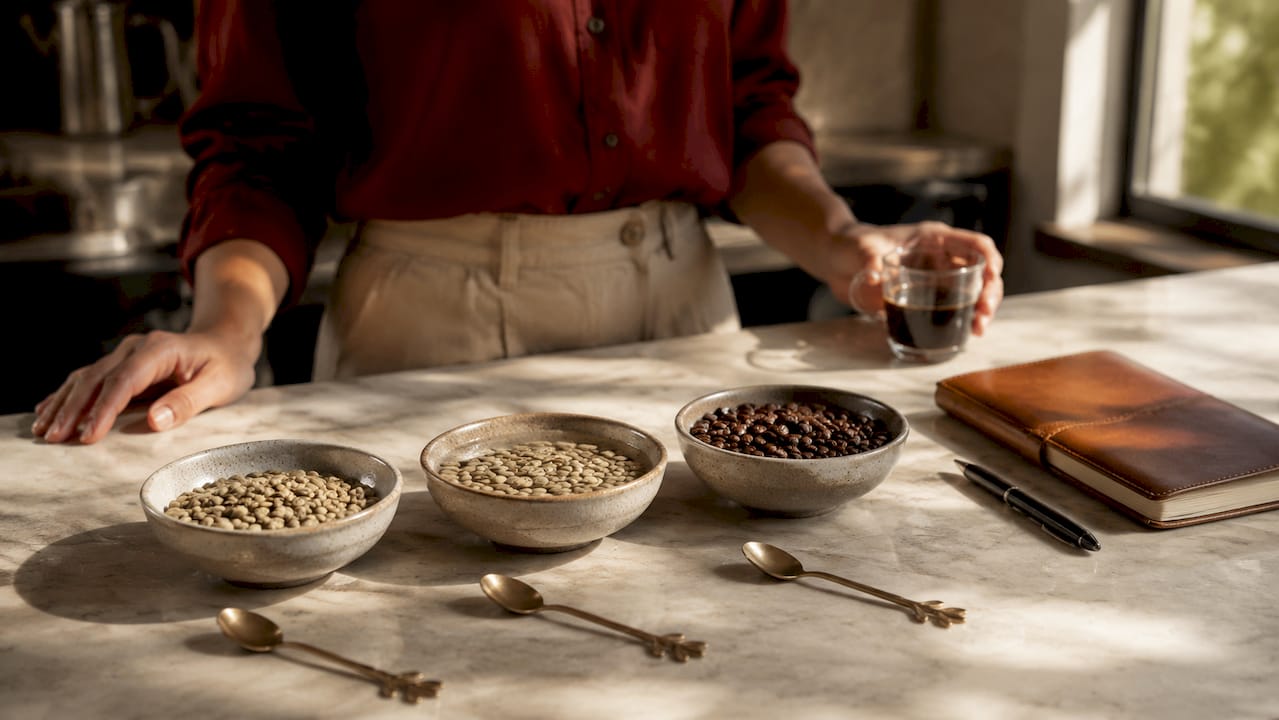
Decaffeination is a pre-roasting process. Roasters receive green, unroasted beans that have already had most of their caffeine extracted. That timing matters because it forces roasters to adjust roast profiles carefully to recover the flavor potential that processing can diminish.
Three methods dominate the industry today: ethyl acetate, Swiss Water, and supercritical CO2.
| Method | How it works | Flavor impact | Chemical-free? |
|---|---|---|---|
| Ethyl acetate | Solvent derived from fruit fermentation strips caffeine | Preserves sweetness and body | Partially (natural solvent) |
| Swiss Water Process | Water and activated charcoal filter caffeine | Clean, bright, well-rounded | Yes |
| Supercritical CO2 | Pressurized CO2 selectively removes caffeine | Highest flavor retention | Yes |
Expert roaster Abi Reynolds identifies ethyl acetate and Swiss Water as the two methods that best preserve bean structure and flavor. Both outperform older methylene chloride processes, which stripped flavor along with caffeine. The CO2 method is the most precise but also the most expensive, so it appears mainly in premium specialty coffees.
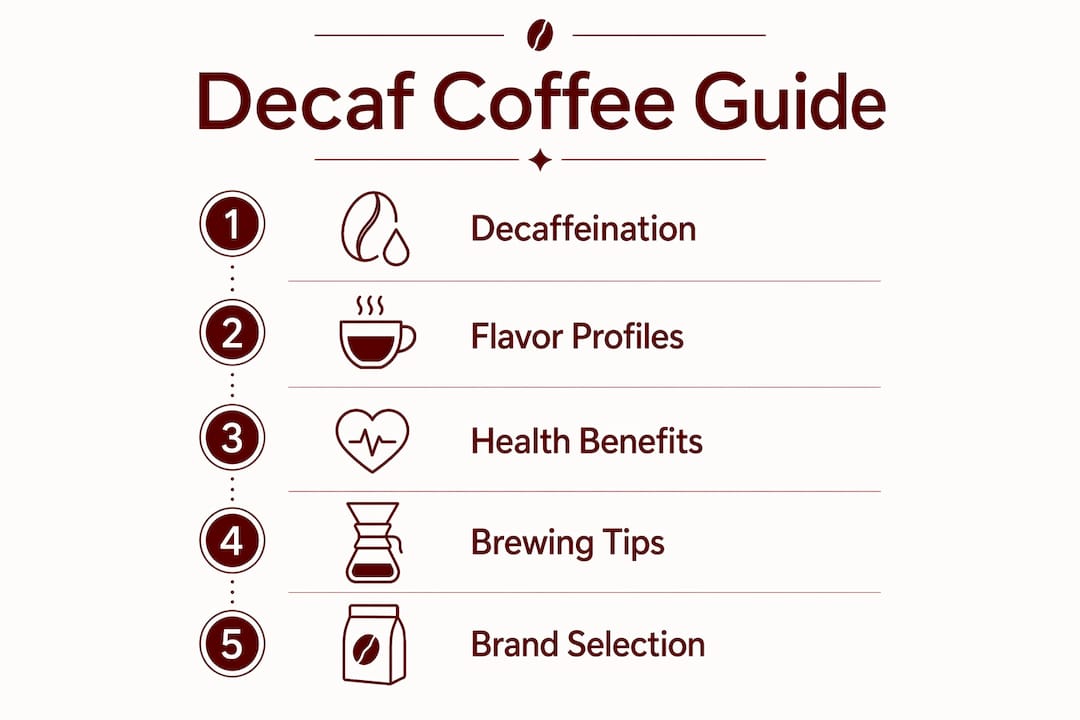
When you read a bag of decaf, look for the decaffeination method listed on the label. “Swiss Water Process” or “EA Decaf” tells you the roaster cares about transparency. A bag that lists no method at all is a warning sign.
Pro Tip: Buy decaf from roasters who list both the decaffeination method and the roast date. Those two details alone separate quality producers from commodity suppliers.
What are the health benefits of decaf coffee?
Decaf black coffee contains 2 to 5 mg of caffeine per 8-ounce cup, compared to 70–140 mg in a standard cup of regular coffee. That reduction makes decaf a practical choice for people with caffeine sensitivity, anxiety, acid reflux, or cardiovascular concerns.
The health case for decaf goes beyond just less caffeine:
- Antioxidants. Decaf retains high chlorogenic acid levels, the same antioxidant compounds found in regular coffee. These compounds support cellular health and reduce oxidative stress.
- Digestive comfort. Caffeine stimulates stomach acid production. Removing it makes decaf significantly easier on the digestive system, particularly for people with GERD or ulcers.
- Cholesterol. Studies show decaf coffee is associated with lower LDL cholesterol impact compared to regular coffee, making it a better fit for people monitoring cardiovascular health.
- Sleep quality. Drinking decaf in the evening does not disrupt sleep cycles the way caffeinated coffee does, allowing you to maintain the ritual without the cost.
One common misconception is that decaf is nutritionally empty. The antioxidant content in quality decaf is nearly identical to regular coffee. The caffeine is gone. The beneficial plant compounds largely remain.
Pregnant women, people with heart arrhythmias, and anyone managing anxiety disorders are the most obvious candidates for switching to decaffeinated coffee options. But decaf also suits anyone who wants a second or third cup without the physiological cost.
How does decaf black coffee taste?
The idea that decaf tastes flat is a myth rooted in low-quality mass-market products. Fresh, well-processed decaf offers flavor complexity that rivals regular coffee. The difference is in sourcing and freshness, not in the caffeine removal itself.
High-quality decaf from single-origin beans produces distinct flavor notes depending on origin and roast level:
- Colombian beans roasted medium deliver dark cocoa and walnut notes with a smooth, balanced body.
- Ethiopian beans processed with Swiss Water often show bright fruit and floral characteristics, similar to their caffeinated counterparts.
- Brazilian beans in a dark roast decaf produce deep chocolate and nutty flavors with low acidity.
- Blended decafs like Counter Culture Coffee’s Slow Motion blend combine cherry, dark chocolate, and almond in a balanced, well-rounded cup.
America’s Test Kitchen’s 2026 taste tests found top decaf coffees with flavors including banana bread and mango. That level of complexity is not accidental. It comes from single-origin sourcing and careful roasting.
Roast level shapes the experience significantly. Light roasts preserve origin-driven fruit and floral notes. Dark roast decaf coffee leans into chocolate, caramel, and smoky depth. Medium roasts sit between the two and tend to be the most approachable for new decaf drinkers.
Proper bean storage is what separates a vibrant cup from a stale one. Decaf beans lose aromatic compounds faster than caffeinated beans because the decaffeination process alters the bean’s cellular structure slightly. Store beans in an airtight container away from light and heat. Use them within three weeks of the roast date.
Pro Tip: Smell your decaf beans before brewing. Fresh decaf should smell rich and complex, not papery or faint. A weak aroma before brewing almost always means a weak cup after.
How to brew decaf black coffee for the best taste
Brewing decaf well requires small adjustments from your regular coffee routine. The bean is structurally different after decaffeination, and it responds differently to heat and extraction time.
- Water temperature. Brew at 195–205°F. This range extracts sweetness and fruitiness without pulling bitter compounds. Water above 205°F over-extracts decaf faster than it does regular coffee.
- Grind size. Use a medium grind for drip and pour-over methods. A slightly coarser grind works well for French press. Fine grinds increase extraction speed and can make decaf taste bitter.
- Brew time. Keep pour-over brew time between 3 and 4 minutes. French press works best at 4 minutes. Espresso shots from decaf pull slightly faster, so reduce your shot time by 3–5 seconds compared to your regular espresso routine.
- Dose. Use the same coffee-to-water ratio you use for regular coffee. Decaf does not need more grounds to compensate for the missing caffeine. The flavor compounds are still present in the same concentrations.
- Freshness. Buy whole beans and grind just before brewing. Pre-ground decaf loses its aromatic complexity within days of opening the bag.
Pour-over methods like the Hario V60 or Chemex highlight the origin-driven fruit and floral notes in lighter decaf roasts. French press suits dark roast decaf coffee, producing a full-bodied, chocolatey cup. Espresso works exceptionally well with medium-dark decaf blends, where the pressure extraction amplifies sweetness and body.
Understanding bean origin and processing helps you choose the right brewing method for each decaf you try. A bright Ethiopian decaf deserves a pour-over. A rich Colombian blend belongs in a French press or espresso machine.
What are the best decaf coffee brands?
The best decaf coffee brands share three traits: they name their decaffeination method, they list a roast date, and they source from high-quality single-origin farms or carefully selected blends.
| Brand | Decaf method | Flavor profile | Best for |
|---|---|---|---|
| Counter Culture Slow Motion | Swiss Water | Dark chocolate, cherry, almond | Everyday drinkers |
| Black & White Coffee | Ethyl acetate | Bright fruit, clean finish | Pour-over enthusiasts |
| Colombian El Eden (single origin) | Swiss Water | Dark cocoa, walnuts, smooth body | Espresso and drip |
| America’s Test Kitchen top picks | EA or Swiss Water | Banana bread, mango, warm spice | Flavor-forward drinkers |
Single-origin decaf consistently outperforms generic blends in flavor complexity. A Colombian El Eden roasted medium, for example, produces rich, well-rounded flavors with notes of dark cocoa and walnuts. That specificity is only possible when the roaster starts with exceptional green beans.
Buying direct from specialty roasters gives you the freshest product. Most roasters ship within days of roasting, which matters more for decaf than for regular coffee. Grocery store decaf often sits on shelves for months, and older mass-market decaf beans lose the complexity that makes premium decaf worth drinking.
Price is a reliable signal. Quality decaf costs more because the decaffeination process adds a step and a cost to production. Expect to pay $18–$22 per 12-ounce bag for specialty decaf. Anything significantly cheaper is almost certainly a commodity product processed with older methods.
Key takeaways
Decaf black coffee delivers the full flavor and antioxidant benefits of regular coffee with a fraction of the caffeine, provided you choose quality beans and brew them correctly.
| Point | Details |
|---|---|
| Caffeine content is minimal | Decaf contains 2–5 mg of caffeine per 8-ounce cup, versus 70–140 mg in regular coffee. |
| Decaffeination method matters | Swiss Water and ethyl acetate processes best preserve flavor and bean structure. |
| Flavor complexity is real | Top decaf coffees from single-origin beans produce notes of chocolate, fruit, and spice. |
| Brewing temperature is critical | Brew at 195–205°F to extract sweetness without bitterness in decaf beans. |
| Freshness drives quality | Buy whole beans with a roast date and use within three weeks for peak flavor. |
Why I stopped underestimating decaf
I spent years treating decaf as a fallback option. Something you drink when you have no choice. That changed the first time I brewed a Swiss Water-processed Colombian single origin from a specialty roaster. The cup had more character than half the caffeinated coffees I had tried that month.
The shift in my thinking came down to one realization: the flavor in coffee does not come from caffeine. It comes from the bean’s origin, the roast, and the brew. Caffeine is a stimulant compound that rides along for the trip. Remove it carefully, and the flavor stays behind.
What I see most often is people buying decaf from grocery store shelves without checking the roast date or the decaffeination method. They get a flat, papery cup and conclude that decaf is inferior. The problem is not decaf. The problem is stale beans processed with outdated methods.
My advice for anyone new to quality decaf: start with a medium-roast Colombian or a well-reviewed blend like Counter Culture’s Slow Motion. Brew it as a pour-over at the right temperature. You will not miss the caffeine. You will notice the flavor.
Decaf drinkers tend to appreciate coffee for its taste rather than its stimulant effect. That focus on flavor is exactly what specialty roasters have responded to with better sourcing, better processing, and better roasting. The category has never been stronger.
— Jett
Explore Espritkaffe’s decaf and specialty coffee collection
Espritkaffe sources and roasts coffee for people who take their cup seriously. The decaf collection includes single-origin and blended options processed with methods that protect flavor, not just reduce caffeine. Every bag ships with a roast date so you know exactly what you’re getting.
If you want to explore beyond decaf, Espritkaffe’s single-origin coffees offer the same commitment to freshness and traceability. For something genuinely different, the Coffee with Mushrooms Medium Roast blends specialty coffee with functional mushrooms for a low-caffeine alternative that still delivers depth and body. Your order, your roast, your coffee.
FAQ
How much caffeine is in decaf black coffee?
Decaf black coffee contains 2–5 mg of caffeine per 8-ounce cup. Regular coffee contains 70–140 mg per cup, making decaf over 95% lower in caffeine.
Does decaf coffee have the same antioxidants as regular coffee?
Yes. Decaf retains high levels of chlorogenic acid and other antioxidants found in regular coffee. The decaffeination process removes caffeine but leaves most beneficial plant compounds intact.
What is the best decaffeination method for flavor?
Swiss Water Process and ethyl acetate are the two methods most recommended by expert roasters. Both preserve bean structure and flavor better than older solvent-based processes.
Can you make espresso with decaf coffee?
Decaf coffee works well as espresso. Use a medium-dark roast decaf and pull your shot slightly faster than you would with regular espresso to avoid over-extraction.
How should I store decaf coffee beans?
Store decaf beans in an airtight container away from light, heat, and moisture. Use them within three weeks of the roast date for the best flavor and aroma.