

Sumatra Lintong coffee is a full-bodied Indonesian Arabica defined by low acidity, a syrupy texture, and a complex profile of earth, cedar, herbs, tobacco, and dark chocolate. Grown in the highlands of North Sumatra near Lake Toba, Lintong coffee beans occupy a specific niche in the specialty coffee world. They reward drinkers who prefer texture and savory depth over brightness and fruit. If you have ever found most coffees too sharp or too thin, this is the origin that changes your perspective.
What makes Sumatra Lintong coffee unique?
Sumatra Lintong coffee is grown at elevations of 1,000 to 1,600 meters in Humbang Hasundutan Regency, a highland district in North Sumatra. That altitude slows cherry development to roughly nine months from flower to berry. Slow development concentrates sugars and builds the layered flavor complexity that defines the cup.
The flavor profile is unlike most coffees you encounter in specialty shops. Where Ethiopian or Kenyan coffees lead with citrus and floral notes, Lintong delivers cedar, dark cocoa, dried herbs, and a low but present tobacco quality. The finish is long and calm rather than bright or acidic. That combination makes it intense, earthy, and sometimes polarizing for drinkers accustomed to lighter roasts.
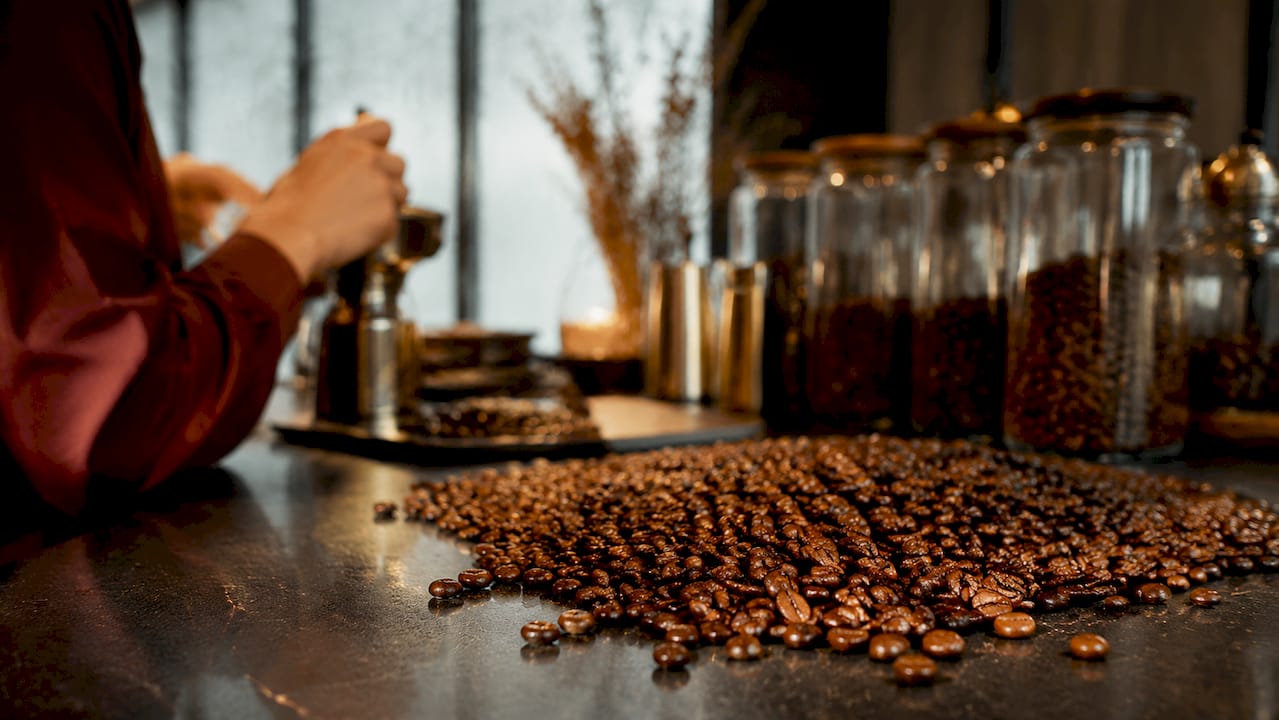
Caffeine content in Lintong beans typically falls between 0.8% and 1.4%, which sits on the moderate end for Arabica. The real draw is not caffeine but texture. The mouthfeel is thick and almost syrupy, a quality that sets Lintong apart from most other single-origin coffees.
Where does Lintong coffee grow and how does terroir shape the cup?
The term “Lintong” is both a geographic and trade identity. Lintong as a market name refers specifically to the Lintong Nihuta district and its surrounding sub-districts near Lake Toba. Traceability to this zone is what separates genuine Lintong from generic Sumatran lots.
Several factors combine to produce the Sumatra coffee flavor profile this region is known for:
- Volcanic andosol soils rich in minerals from centuries of volcanic activity around Lake Toba, feeding the plant with nutrients that show up as earthy and herbal notes in the cup
- Elevation of 1,000–1,600 meters above sea level, creating cool nights that slow cherry ripening and deepen flavor complexity
- Consistent rainfall and cloud cover that keeps temperatures stable and supports even cherry development across the growing season
- Harvest timing of nine months from flowering to ripe cherry, longer than many other origins, which builds the dense, layered cup Lintong is known for
- Smallholder farm plots averaging under three acres, meaning individual farmers have direct control over cherry selection and harvest quality
The proximity to Lake Toba also moderates humidity and temperature swings. That stability is not accidental. It is one reason this specific district produces a more consistent cup than other parts of North Sumatra.
What is the wet-hulling process and why does it matter?
The processing method used for Lintong coffee beans is called Giling Basah, or wet-hulling. It is an Indonesian specialty and the single biggest reason Lintong tastes the way it does. Giling Basah removes the parchment layer while the bean still holds significant moisture, unlike washed or natural processing where the bean dries fully before hulling. This produces the signature bluish-green bean color and contributes directly to the heavy body and low acidity in the cup.
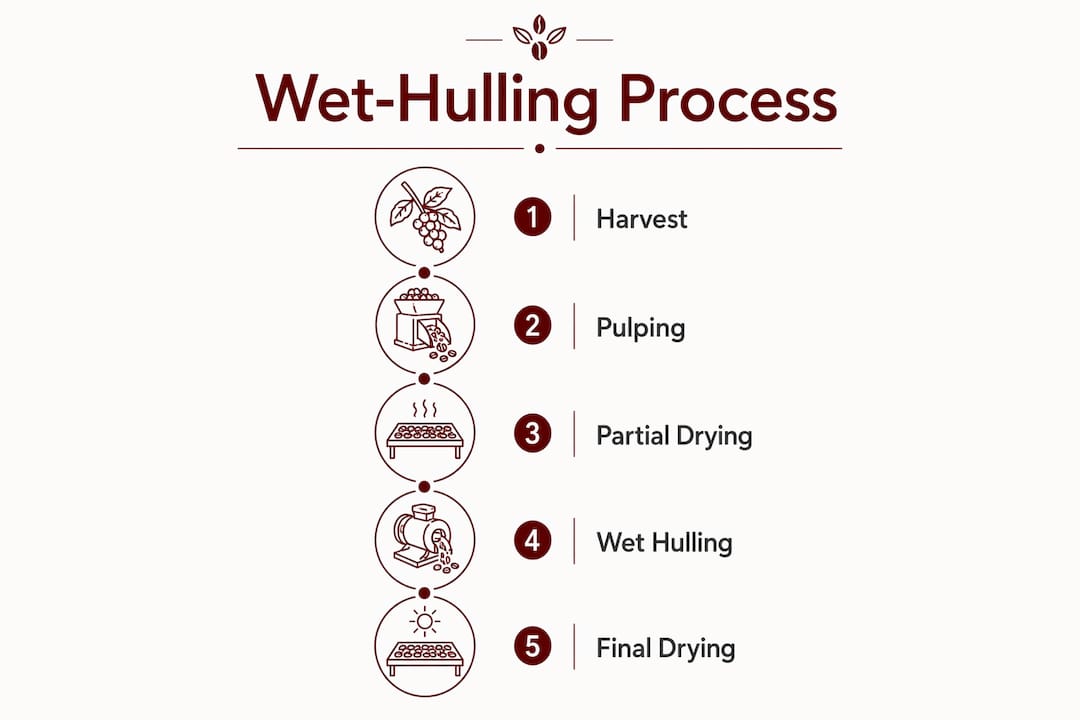
The process runs through smallholder farms and micro-mills. Average farm sizes under three acres mean farmers must coordinate with local micro-mills and export partners to manage drying and logistics across challenging terrain. That coordination is where quality variation enters the picture. Farms that control harvest timing and drying discipline consistently produce better lots.
Quality grades matter when buying Lintong. Key indicators to look for include:
- Grade 1 classification, which limits defect counts and signals careful sorting at origin
- Triple Pick designation, meaning the coffee was sorted three times by hand to remove defects, a labor-intensive step that separates premium lots from commodity-grade bags
- Lot-level traceability, which tells you which sub-district and micro-mill the coffee came from
Pro Tip: When buying Lintong, ask your roaster for the specific sub-district and processing mill. Roasters who can answer that question are sourcing with intention. Those who cannot are likely buying blended Sumatran lots that may not deliver the genuine Lintong profile.
Roast level is the final variable in flavor development. Medium to medium-dark roasting balances sweetness, enhances chocolate and spice notes, and reduces any vegetal flavors that can appear in lighter roasts of wet-hulled beans. Going too dark strips the cedar and herbal complexity. Going too light leaves a grassy, underdeveloped quality that masks the terroir.
How does Lintong compare to Mandheling and other Sumatra coffee varieties?
Lintong and Mandheling are the two most recognized names in Sumatran specialty coffee, and they are frequently confused. Both use wet-hulling and share the heavy body that defines coffee from Sumatra. The differences show up in the cup.
| Feature | Lintong | Mandheling |
|---|---|---|
| Primary flavor notes | Cedar, dark chocolate, dried herbs | Deep earth, spice, tobacco |
| Acidity | Very low, calm finish | Very low, slightly more rustic |
| Body | Full, syrupy | Full, sometimes heavier |
| Finish | Clean and balanced | Earthier, more lingering |
| Best roast level | Medium to medium-dark | Medium-dark to dark |
Lintong’s cup profile delivers cleaner cedar and cacao notes with a calmer finish compared to Mandheling’s earthier and spicier characteristics. That distinction matters for brewing. Lintong handles a wider range of brew methods without turning muddy or bitter. Mandheling tends to reward darker roasts and immersion brewing more consistently.
For a deeper look at how Mandheling compares across brewing methods, the Mandheling flavor and brewing guide at Espritkaffe covers the distinction in practical detail. If you want to explore other Indonesian origins, Sulawesi coffee offers another reference point for how terroir shapes Indonesian Arabica differently across islands.
How to brew Lintong coffee to get the best results
Brewing Lintong coffee well means choosing methods that preserve body and let the earthy, herbal notes develop without turning bitter. The following approaches consistently produce the best results:
- French press is the top choice for Lintong. Immersion brewing preserves the full body and syrupy texture. Use a coarse grind, water at 200°F (just off boil), and a four-minute steep. The result is a thick, complex cup that showcases everything Lintong does best.
- Pour-over with a Hario V60 or Chemex works well if you want a cleaner expression of the cedar and chocolate notes. Use a medium-coarse grind and water at 200–205°F. A longer bloom of 45 seconds helps degas the dense wet-hulled beans before the main pour.
- Espresso pulls well from medium-dark Lintong. The low acidity and heavy body produce a thick, chocolatey shot with minimal bitterness. Dial in at a slightly longer extraction time than you would use for a washed Ethiopian or Colombian.
- Cold brew is an underrated method for Lintong. The 12–18 hour cold steep amplifies the chocolate and herbal notes while the low acidity keeps the result smooth and drinkable without sweetener.
Pro Tip: Store Lintong beans in an airtight container away from light and heat. Wet-hulled beans are denser than washed coffees and hold freshness well, but grinding fresh within 30 minutes of brewing makes a noticeable difference in the herbal and cedar aromatics.
Quality variation depends on harvest timing and drying discipline, so freshness at the roaster level matters as much as your brewing technique. Buy from roasters who display roast dates and rotate stock regularly.
Key takeaways
Sumatra Lintong coffee delivers its best results when you understand the origin, respect the wet-hulling process, and choose a brew method that preserves its full body and low acidity.
| Point | Details |
|---|---|
| Origin specificity | Genuine Lintong comes from Lintong Nihuta district near Lake Toba, not generic Sumatran lots. |
| Wet-hulling defines the cup | Giling Basah processing creates the heavy body, low acidity, and earthy complexity Lintong is known for. |
| Roast level matters | Medium to medium-dark roasting brings out chocolate and spice without stripping cedar and herbal notes. |
| Best brew methods | French press and pour-over preserve body and complexity; cold brew amplifies chocolate notes cleanly. |
| Buy with traceability | Grade 1 and Triple Pick lots with sub-district information signal genuine quality and careful sourcing. |
Why Lintong is worth the effort to source correctly
I have tasted a lot of coffees labeled “Sumatra” that had nothing in common with a well-sourced Lintong. Generic Sumatran blends often lean muddy and flat. A properly sourced, Grade 1 Lintong from a named sub-district near Lake Toba is a completely different experience. The cedar note is real and distinct. The chocolate is dark and dry, not sweet. The finish is long without being harsh.
The challenge is that sourcing authentic Lintong requires traceability and specific origin information. Too many roasters buy blended Sumatran lots and market them as Lintong. The label means nothing without lot-level data.
What I find most interesting about this coffee is how the smallholder model shapes quality. With farm plots under three acres, each farmer’s decisions about harvest timing and drying directly affect the cup you drink. That connection between individual practice and final flavor is rare in commodity coffee and is exactly what makes specialty sourcing worth pursuing.
If you are new to Indonesian coffees, start with a medium-dark Lintong brewed in a French press. Do not add milk on the first cup. The earthy, herbal complexity deserves your full attention before you start adjusting it. Most people who try it that way become loyal to the origin.
— Jett
Discover premium Lintong and specialty roasts at Espritkaffe
Espritkaffe sources and roasts coffees for people who want to know exactly what is in their cup and why it tastes the way it does. If the Lintong profile resonates with you, the dark roast collection at Espritkaffe features medium-dark and dark roasted single-origins built around the same principles: full body, low acidity, and complex flavor over brightness. Every selection is roasted to order, so you get the freshness that wet-hulled beans demand.
For a broader look at what Espritkaffe carries across origins and styles, the full coffee collection is the right place to start. Your order. Your roast. Your coffee.
FAQ
What does Sumatra Lintong coffee taste like?
Lintong coffee delivers earthy, cedar, dark chocolate, and dried herb notes with very low acidity and a thick, syrupy body. The finish is long and calm rather than bright or fruity.
How is Lintong different from other Sumatra coffee varieties?
Lintong produces cleaner cedar and cacao notes with a calmer finish compared to Mandheling, which leans earthier and spicier. Both share the heavy body typical of wet-hulled Indonesian coffees.
What roast level works best for Lintong coffee beans?
Medium to medium-dark roasting is the recommended range. This level enhances chocolate and spice notes while preserving the cedar and herbal complexity that defines the origin.
What brewing method highlights Lintong’s flavor best?
French press is the top choice because immersion brewing preserves the full body and syrupy texture. Pour-over works well for a cleaner expression of the cedar and chocolate notes.
How do I know if I am buying genuine Lintong coffee?
Look for Grade 1 or Triple Pick designations and lot-level traceability to the Lintong Nihuta district near Lake Toba. Roasters who cannot identify the sub-district are likely selling generic Sumatran blends.