

If you want the antioxidant benefits of coffee without disrupting your sleep or spiking your anxiety, decaf is the smarter pick. If you need a genuine energy lift or a metabolic boost before a workout, regular coffee earns its place. The choice is rarely about which is “better” in the abstract — it comes down to what your body tolerates and what you’re actually asking your coffee to do.
A few quick benchmarks: a standard 8-oz cup of regular brewed coffee typically delivers a variable amount of caffeine, commonly recognized in guidance ranges, according to FDA guidance. Decaf is not caffeine-free. Lab measurements show residual caffeine ranging from 0 up to about 15.8 mg per serving, so if you’re highly sensitive, that gap matters.
Common scenarios at a glance:
- Pregnant or breastfeeding: Choose decaf. Most guidelines recommend keeping caffeine well below 200 mg per day.
- Struggling with sleep or anxiety: Decaf removes the main trigger without sacrificing the ritual or the antioxidants.
- Need sustained energy or pre-workout focus: Regular coffee, timed well, is hard to beat.
- On certain medications (some antidepressants, stimulants, thyroid drugs): Ask your provider — caffeine interactions are real and often overlooked.
The rest of this article covers exactly how much caffeine is in each, how decaf is made, what the research says about health effects, and how to pick the right cup for your situation.
Key Takeaways
Decaf retains most of coffee’s antioxidant benefits while removing the caffeine-driven risks to sleep, anxiety, and blood pressure, making it the stronger choice for sensitive populations and evening drinkers.
| Point | Details |
|---|---|
| Decaf is not caffeine-free | Lab-measured decaf samples range from 0 to 15.8 mg per serving — enough to affect highly sensitive people. |
| Shared health benefits | Most of coffee’s protective associations (liver, diabetes, mortality) appear in decaf drinkers too, driven by polyphenols. |
| Regular coffee wins on energy | Caffeine’s cognitive and performance benefits are real; regular coffee is the better choice when alertness is the goal. |
| Method matters for flavor | Swiss Water and CO2 processed decafs taste noticeably better than solvent-based options — check the label. |
| Espritkaffe instant coffee | A certified, convenient decaf option for drinkers running a two-week caffeine-reduction trial. |
Table of Contents
- How much caffeine is in decaf vs regular coffee?
- How is decaf coffee made, and is it safe?
- What does the research say about health effects?
- Pros and cons at a glance
- Does decaf taste different, and how do you brew it well?
- Who should choose decaf, and who should stick with regular?
- What to look for when buying decaf
- What the strongest research and experts actually say
- The case for not overthinking it
- Espritkaffe’s decaf worth trying
- Sources
How much caffeine is in decaf vs regular coffee?
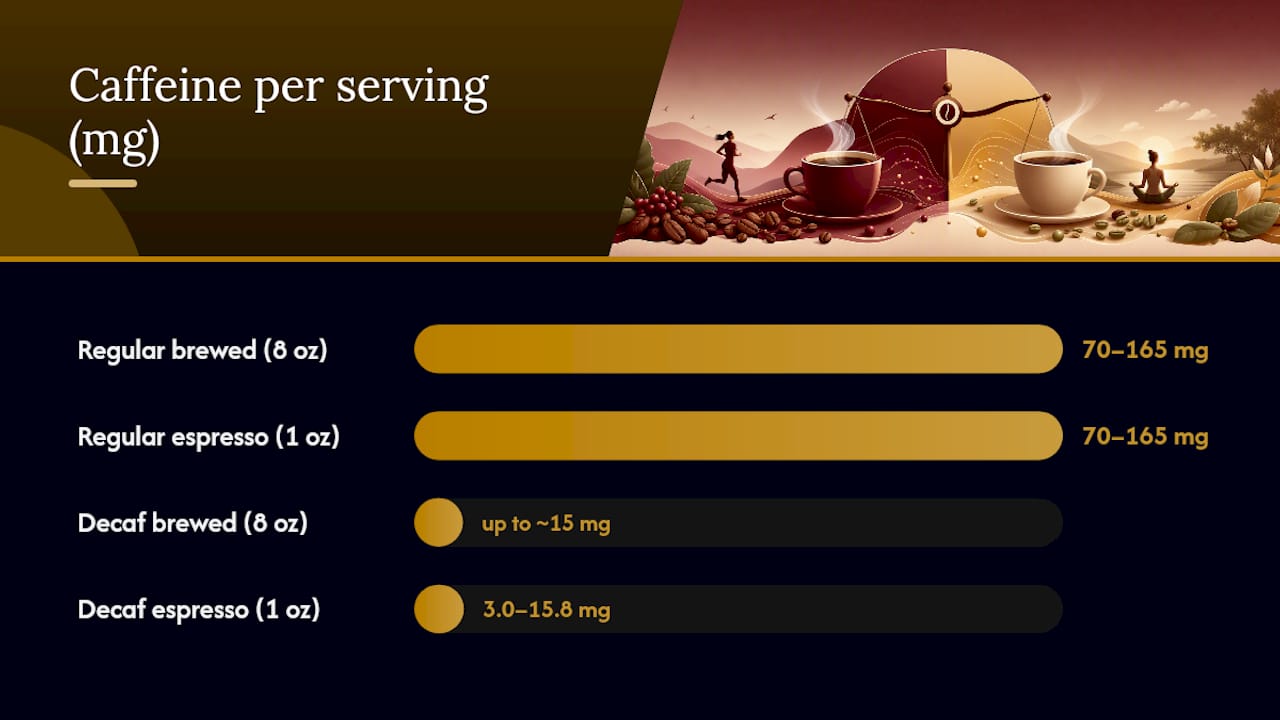
Caffeine content varies more than most people realize, even within the same category. Regular brewed coffee in an 8-oz cup typically falls between 70 and 165 mg, though a strong pour-over or a double shot of espresso can push higher. The FDA notes that 400 mg per day is generally considered a safe upper limit for healthy adults, which is roughly three to four standard cups.
Decaf is a different story. The National Coffee Association reports that a typical decaf cup contains a small amount of caffeine after the decaffeination process removes most of the original caffeine content. But lab testing tells a more variable story.
A laboratory study published on PubMed measured decaffeinated coffee samples ranging from 0 to 15.8 mg of caffeine per serving, with brewed decaf running 12.0–13.4 mg per 16-oz cup and Starbucks decaf espresso shots measuring 3.0–15.8 mg per shot.
That upper end — nearly 16 mg per serving — is enough to affect someone with genuine caffeine sensitivity, especially across multiple cups.
| Coffee Type | Serving Size | Typical Caffeine Range |
|---|---|---|
| Regular brewed coffee | 8 oz | 70–165 mg |
| Espresso (regular) | 1 shot (1 oz) | 70–165 mg |
| Decaf brewed coffee | 8 oz | typically a low amount of caffeine, sometimes up to about 15 mg |
| Decaf espresso shot | 1 shot (1 oz) | typically a low amount of caffeine, sometimes up to about 16 mg |
Several factors drive the variability in regular coffee: Arabica beans tend to run lower in caffeine than Robusta; darker roasts lose a small amount of caffeine during roasting but are often brewed with less grounds by weight; and espresso, despite its concentrated flavor, delivers less caffeine per ounce than drip coffee because the serving is so small. For decaf, the residual caffeine depends heavily on which decaffeination method was used and how rigorously the processor applied it.
Pro Tip: If you’re highly caffeine-sensitive, order decaf espresso rather than decaf drip — the smaller serving size means less total residual caffeine, even if the concentration per ounce is similar.
How is decaf coffee made, and is it safe?
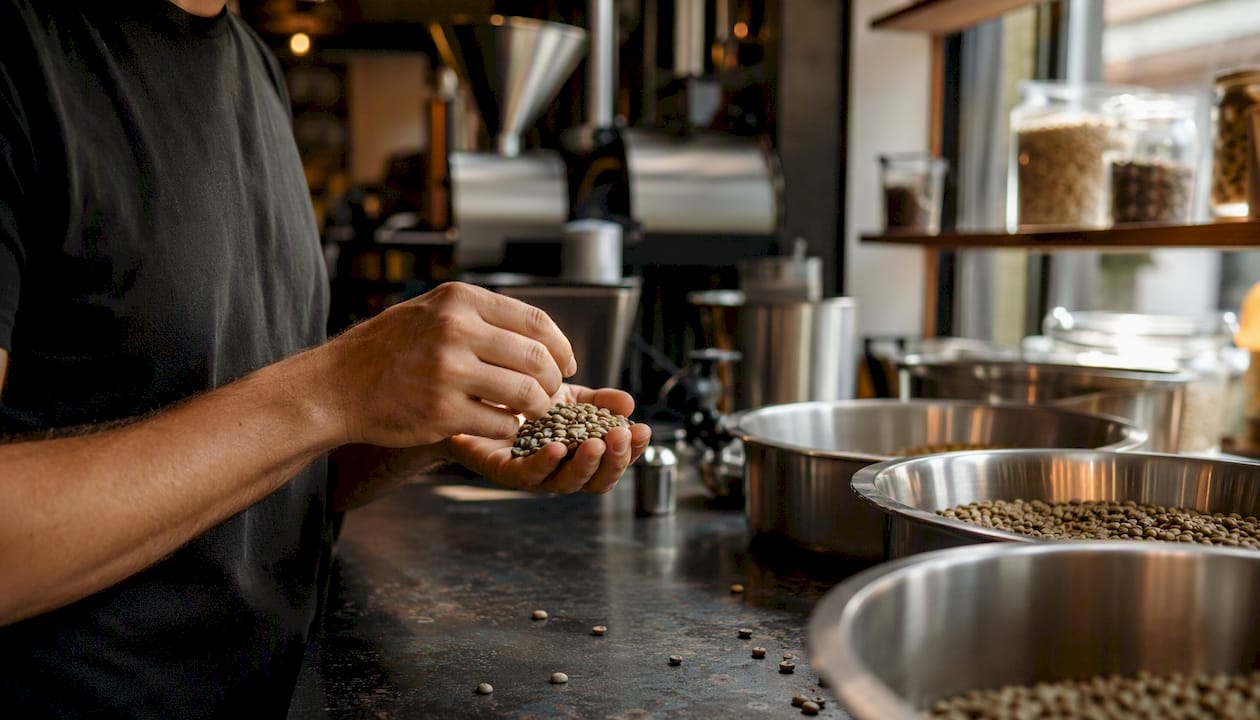
Decaffeination happens before roasting, when the green (unroasted) beans are still porous and the caffeine is easier to extract. There are three main methods, each with different implications for flavor and safety.
-
Swiss Water Process: No chemical solvents involved. Green beans are soaked in hot water, which draws out caffeine along with flavor compounds. That water is then passed through activated charcoal filters sized to trap caffeine molecules while letting flavor compounds pass back through. The flavor-rich water is reused to soak the next batch, preserving more of the bean’s character. This method is popular with specialty roasters and is certified organic-compatible.
-
CO2 (supercritical carbon dioxide) method: Pressurized CO2 acts as a selective solvent, pulling caffeine out while leaving most flavor compounds intact. It’s the most flavor-preserving method and leaves no chemical residue, but the equipment cost makes it less common. You’ll see it labeled as “CO2 processed” on specialty bags.
-
Solvent-based (methylene chloride or ethyl acetate): The most widely used commercial method. Green beans are either soaked directly in the solvent or steamed first and then rinsed with it (the indirect/European approach). Methylene chloride is the more effective solvent; ethyl acetate is sometimes marketed as “natural” because it occurs in fruit, though the commercial version is typically synthetic. After processing, beans are steamed at high temperatures, which removes nearly all solvent residue before roasting. The National Coffee Association confirms that these methods are considered safe when regulatory limits are met, and the EPA sets strict limits on methylene chloride exposure.
The roasting step itself matters here. High roasting temperatures volatilize any remaining processing liquids, so the residue reaching your cup is negligible under normal processing conditions.
Pro Tip: If solvent residues concern you, look for “Swiss Water Process” or “CO2 processed” on the label — both are chemical-solvent-free and easy to verify. Swiss Water is also third-party certified, so the claim is auditable.
Flavor-wise, Swiss Water and CO2 methods tend to preserve more of the bean’s original character. Solvent-based decafs can sometimes taste slightly flat or papery, particularly in lighter roasts where there’s less roast flavor to compensate. A medium-to-dark roast decaf processed with Swiss Water is often the best entry point for drinkers who’ve been disappointed by decaf before.
What does the research say about health effects?
The most important finding in coffee research is one that surprises most people: many of coffee’s protective health associations show up in decaf drinkers too. Harvard T.H. Chan School of Public Health experts have noted that the benefits are likely driven by non-caffeine compounds rather than caffeine itself — which means switching to decaf doesn’t mean giving up the health case for drinking coffee.
Coffee is one of the richest dietary sources of antioxidant polyphenols, including chlorogenic acid and ferulic acid. These compounds survive the decaffeination process in meaningful amounts and are associated with reduced inflammation and oxidative stress.
Large observational studies and meta-analyses link moderate coffee consumption — roughly three cups per day — with lower all-cause mortality and reduced risks of liver disease, type 2 diabetes, and certain neurodegenerative conditions. These findings appear across both caffeinated and decaf drinkers in many datasets, though it’s worth being clear: these are observational associations, not proof of causation. People who drink coffee regularly may differ from non-drinkers in other lifestyle ways that influence outcomes.
Where caffeine does make a meaningful difference:
- Sleep: Caffeine’s half-life is roughly 5–6 hours, meaning an afternoon cup can still be active in your system at bedtime. Decaf sidesteps this entirely.
- Anxiety: Caffeine stimulates the central nervous system and can worsen generalized anxiety, panic disorder, and stress responses. Decaf removes that trigger.
- Blood pressure: Caffeine causes a short-term spike in blood pressure. For people with hypertension or cardiac arrhythmia, that matters.
- Pregnancy: CDC/ATSDR guidance and most obstetric guidelines recommend limiting caffeine during pregnancy. Decaf is the practical solution for coffee drinkers who want to stay within those limits.
- Medication interactions: Caffeine interacts with stimulant medications, some antidepressants (particularly MAOIs), thyroid medications, and certain antibiotics. If you’re on any of these, it’s worth a conversation with your provider.
Both caffeinated and decaf coffee can stimulate gastric acid and bowel motility, though WebMD notes that caffeinated coffee tends to have a stronger effect on bowel urgency. If you have acid reflux or IBS, decaf is gentler — but not entirely neutral.
Pros and cons at a glance
Regular coffee
Pros:
- Reliable energy boost and improved alertness, backed by decades of research
- Stronger pre-workout and cognitive performance effects
- Slightly higher caffeine-driven metabolic effects (modest thermogenic effect)
- Widely available in high-quality single-origin and specialty roasts
Cons:
- Disrupts sleep when consumed too late in the day (see how caffeine timing affects focus)
- Can worsen anxiety, jitteriness, and heart palpitations
- Not suitable for pregnancy above guideline limits
- May interact with several common medications
Decaf coffee
Pros:
- Retains most of coffee’s antioxidant polyphenols and associated health benefits
- No meaningful sleep disruption — safe to drink in the evening
- Suitable for pregnancy, anxiety-prone drinkers, and most medication users
- Gentler on blood pressure and the nervous system
Cons:
- Small but real residual caffeine — not zero, which matters for the most sensitive people
- Flavor can be slightly muted depending on the decaffeination method
- Fewer options at lower-quality coffee shops; quality varies more than regular coffee
- Misses caffeine’s direct cognitive and performance benefits
Does decaf taste different, and how do you brew it well?
Decaf does taste different from its caffeinated counterpart — but the gap is smaller than most people expect when the decaf is well-sourced and properly brewed. The flavor difference comes from two places: the decaffeination process itself strips some volatile aromatic compounds along with the caffeine, and decaf is often made from lower-grade beans because producers historically assumed quality mattered less. That second problem is solvable by choosing a specialty roaster that applies the same sourcing standards to decaf as to regular coffee.
For brewing, a few adjustments make a real difference:
- Go slightly coarser on the grind. Decaf beans are more porous after processing and extract faster. A slightly coarser grind prevents over-extraction, which is the main source of that flat or bitter taste people associate with bad decaf.
- Keep water temperature between 195°F and 205°F. The same range as regular coffee — don’t go lower thinking it will be gentler. Under-extraction is just as much a problem.
- Use a medium-to-dark roast. The roast character compensates for any aromatic loss from decaffeination and gives the cup more body and depth. A dark decaf roast often surprises people who’ve only tried pale, flat decaf from a diner.
- Brew with a paper filter. It removes cafestol, a compound in coffee oils linked to LDL cholesterol increases, which is present in both regular and decaf.
- Try a single-origin decaf. Beans from regions like Sumatra or Colombia tend to hold up better through decaffeination because of their natural flavor density. A Sumatra decaf in particular brings earthy, full-bodied notes that survive the process well.
Pro Tip: Bloom your decaf grounds for 30 seconds before the full pour (in a pour-over or French press). The extra degassing step opens up flavor compounds that would otherwise stay locked in the more porous post-decaf bean structure.
Who should choose decaf, and who should stick with regular?
The decision is mostly about what you’re managing, not what you prefer.
Choose decaf if you:
- Are pregnant or breastfeeding and want to stay within recommended caffeine limits
- Experience anxiety, panic attacks, or heart palpitations that caffeine worsens
- Have trouble falling asleep or staying asleep, especially if you drink coffee after noon
- Take medications that interact with caffeine (check with your pharmacist or provider)
- Have hypertension and your doctor has flagged caffeine as a variable to control
- Want the antioxidant and ritual benefits of coffee without the stimulant effects
Stick with regular if you:
- Rely on caffeine for morning alertness or pre-workout performance
- Have no sleep, anxiety, or cardiovascular concerns
- Are not on interacting medications and are not pregnant
- Drink coffee only in the morning and tolerate it well
For many people, the answer is neither/nor — it’s both, timed deliberately. Drinking regular coffee in the morning and switching to decaf after 2 PM is a practical middle path that preserves the cognitive benefits of caffeine while protecting sleep. Understanding how adenosine builds up through the day makes the timing logic click.
A simple trial approach:
- Pick a two-week window and replace your afternoon and evening cups with decaf only.
- Keep a brief daily note on sleep quality, anxiety level, and energy in the morning.
- At the end of two weeks, compare. Most people notice a measurable sleep improvement within the first week.
- If you want to go further, try replacing your first morning cup with decaf for another week and track whether the energy difference is as large as you expected.
- If you have a medical condition or are on medications, loop in your provider before making significant changes.
What to look for when buying decaf
Labels on decaf packaging are inconsistent, and the terminology can mislead. Here’s what actually matters:
- “Decaffeinated” or “decaf”: In the US, this means at least 97% of the caffeine has been removed — consistent with NCAUSA standards. It says nothing about the method used.
- “Swiss Water Process” or “Water Processed”: Chemical-solvent-free; third-party certified in the case of Swiss Water. A reliable quality signal.
- “CO2 Processed”: Solvent-free and flavor-preserving; less common but worth seeking out.
- “Naturally Decaffeinated” or “Ethyl Acetate”: Often means solvent-based using ethyl acetate, which is sometimes derived from natural sources but is usually synthetic at commercial scale. Not inherently unsafe, but the “natural” framing can be misleading.
- Roast date: Fresh matters for decaf just as much as for regular. Decaf beans go stale faster because the processing makes them more porous. Look for a roast date within the past four to six weeks.
- Single-origin vs. blend: Single-origin decafs are easier to evaluate for quality; blends can mask lower-grade beans. For ethical sourcing transparency, look for roasters who name the farm or cooperative.
- Retailer transparency: A roaster who lists the decaf method, origin, and roast date on the bag is a roaster who takes decaf seriously. If the bag just says “decaf,” that’s a yellow flag.
When buying at a coffee shop, ask the barista which decaf method they use. Most specialty shops know, and the answer tells you a lot about how seriously they source it.
What the strongest research and experts actually say
The evidence base for coffee and health is large but imperfect. Here’s an honest summary of where the confidence is high and where it isn’t.
Key findings worth knowing:
- Large cohort analyses and meta-analyses consistently link moderate coffee consumption (around three cups per day) with lower all-cause mortality and reduced liver disease risk. These associations hold for both caffeinated and decaf varieties in many datasets. Caveat: all observational; confounding factors are hard to eliminate.
- A PubMed laboratory study measuring real-world decaf samples found caffeine ranging from 0 to 15.8 mg per serving — a reminder that “decaf” is not a guarantee of zero caffeine, particularly for the most sensitive drinkers.
- Harvard public-health researchers attribute most of coffee’s protective associations to polyphenols and other non-caffeine bioactives, not to caffeine itself.
- Registered dietitians, as summarized by Prevention, note that decaf delivers most of the antioxidant benefit while removing the stimulant risk — a meaningful tradeoff for anyone managing sleep or anxiety.
The honest caveat across all of this: coffee research is almost entirely observational. No randomized controlled trial has run long enough, at scale, to prove that coffee causes the health outcomes it’s associated with. The associations are consistent and plausible, but “associated with” is not the same as “proven to cause.”
The case for not overthinking it
Here’s the view that most coffee coverage misses: the decaf vs regular coffee debate is often framed as a health optimization problem, when for most people it’s actually a tolerance management problem. The question isn’t “which is healthier in the abstract?” It’s “what does caffeine actually do to my sleep, my anxiety, my digestion, and my afternoons?”
The research is clear that decaf retains most of coffee’s benefits. What it can’t tell you is how your specific nervous system responds to 80 mg of caffeine at 3 PM. That’s individual, and no study resolves it. The two-week trial approach outlined above is more useful than any meta-analysis for answering the question that actually matters to you.
One more thing worth saying: the quality of the decaf matters enormously, and it’s been underinvested in for decades because the category was treated as an afterthought. A well-sourced, Swiss Water or CO2 processed decaf from a specialty roaster is a genuinely different product from the flat, papery decaf that gave the category its reputation. If your last decaf experience was disappointing, the method and the sourcing were probably the problem, not the concept.
Espritkaffe’s decaf worth trying
Switching to decaf doesn’t mean settling. Espritkaffe’s instant coffee offers a clean, convenient option for drinkers who want to cut back on caffeine without losing the ritual — no brewing equipment required, no compromise on sourcing standards. Espritkaffe applies the same mycotoxin, heavy metal, and mold-free certification to every product, so you know exactly what’s in the cup.
If you’re ready to test the switch, start with a single bag and run the two-week trial. Track your sleep. Notice your afternoons. The difference tends to be more obvious than people expect. Shop Espritkaffe’s instant coffee and find the roast that fits your mornings.
Sources
- Caffeine content in decaffeinated coffee beverages (PubMed)
- Does decaf coffee have the same health benefits as caffeinated? | Harvard T.H. Chan School of Public Health
- All About Decaffeinated Coffee | National Coffee Association (NCAUSA)
- Spilling the beans: How much caffeine is too much? | FDA
- Systematic reviews and large cohort analyses on coffee and health (PMC)
This article is general information, not a substitute for advice from a qualified doctor. Consult a qualified healthcare professional about your own circumstances before acting on anything here.