

Fire roast coffee is coffee roasted over real wood or charcoal fires, producing a fuller body, lower acidity, and mild smoky undertones that no gas or electric drum roaster can replicate. This method sits at the intersection of craft and tradition, practiced by brands like Australian Wood Fired Coffee and South Africa’s Xylo Fire Roasted Coffee. If you brew with intention and want a cup that tastes like something, not just caffeine, fire roasting is worth understanding deeply.
1. What is fire roast coffee and how does it differ from industrial roasting?
Fire roast coffee uses an open flame from wood or charcoal as its heat source, while industrial roasting relies on gas or electric drum roasters with automated temperature controls. The difference is not just technical. It changes everything in the cup.
Industrial roasters deliver consistent, repeatable heat. Fire roasting requires a human hand at every stage, monitoring color, aroma, and the audible crack of the beans throughout the process. That manual oversight means no two batches are identical.
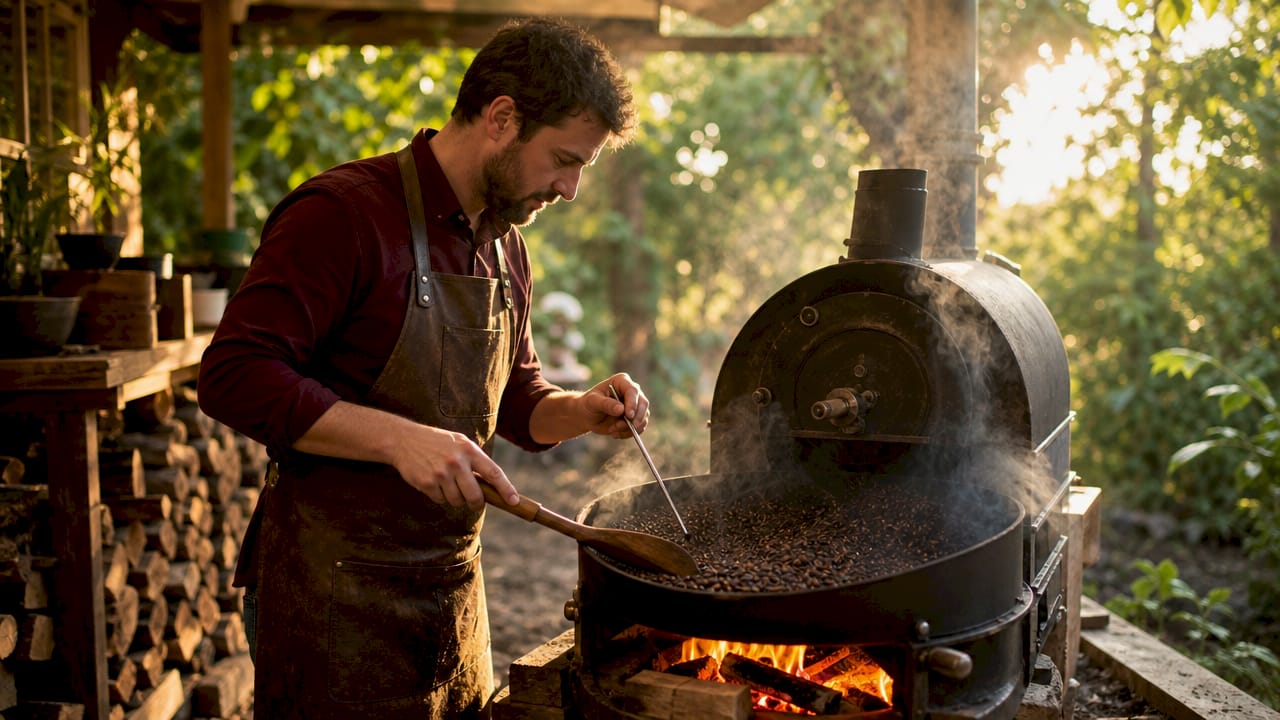
The smoky compounds produced by burning hardwood, specifically guaiacol and syringol, absorb into the bean during roasting. These compounds create the campfire flavor notes that define the style. Gas roasters produce none of them.
| Feature | Fire roasting | Industrial roasting |
|---|---|---|
| Heat source | Wood or charcoal | Gas or electric |
| Batch control | Manual, hands-on | Automated |
| Flavor compounds | Guaiacol, syringol | Standard Maillard products |
| Batch size | Small, artisanal | Large, consistent |
| Batch variability | High | Low |
| Acidity | Lower | Variable by roast level |
Pro Tip: If you want to understand how fire roasting changes flavor chemistry, try a coffee cupping session side by side with a gas-roasted version of the same origin bean. The difference is immediate.
2. What makes the flavor profile of fire roasted coffee unique?
The flavor profile of fire roasted coffee centers on three defining traits: a fuller body, mild smokiness, and noticeably lower acidity. These are not marketing claims. They come directly from the chemistry of wood combustion and how it interacts with the bean’s cell structure during roasting.
The smoky undertones are subtle in well-executed fire roasting. They add a layer of complexity rather than overwhelming the bean’s origin character. Think of it as a background note, the way a wood-fired oven changes a pizza without making it taste like ash.
Lower acidity makes fire roasted coffee easier on the stomach and more forgiving across brewing methods. Enthusiasts who find standard light or medium roasts too sharp often find fire roasted beans far more approachable. The body is heavier, closer to what you get from a dark roast, but with a smokiness that dark roasting alone cannot produce.
3. Top fire roast coffee benefits for enthusiasts and home brewers
Fire roast coffee benefits go beyond flavor. The method carries practical and ethical advantages that matter to brewers who think carefully about what they put in their cup.
- Fuller body and lower acidity. The wood fire heat source produces a roast that is easier to drink and more satisfying across a range of brewing styles.
- Complex, layered flavor. Smoky compounds from hardwood combustion add depth that standard roasting cannot achieve. The flavor is described consistently as layered and stable despite batch variability.
- Brewing flexibility. Fire roasted beans retain flavor stability even with basic equipment like camping percolators and French press setups.
- Sustainability credentials. Roasters like Australian Wood Fired Coffee source reclaimed hardwoods to reduce fossil fuel reliance in production. That is a meaningful reduction in carbon footprint compared to gas-fired industrial roasting.
- Artisanal craft value. Small batch fire roasting introduces natural variability that many enthusiasts prize. Each bag carries the fingerprint of the roaster’s judgment, not an algorithm’s.
The sustainability angle is worth pausing on. Wood-fired roasting, when done with responsibly sourced timber, is an intentional move away from fossil fuels. That positions it as one of the few unique coffee roasting methods with a credible environmental story behind it.
4. How to fire roast coffee at home: a practical method
Home fire roasting is achievable, but it demands attention and the right setup. Follow these steps to get started safely and produce a drinkable result.
- Build a stable hardwood fire. Use oak or hickory for best results. These woods produce balanced smokiness without overpowering the bean. Avoid softwoods like pine, which release resins that ruin flavor.
- Set up a roasting chamber above the flame. A cast iron skillet, a purpose-built hand-crank roaster, or a perforated drum that sits over the fire all work. The goal is indirect, even heat, not direct flame contact on the beans.
- Add green coffee beans in a single layer. Do not crowd the chamber. Overcrowding causes uneven roasting and increases the risk of scorching.
- Agitate constantly. This is non-negotiable. Continuous bean movement prevents hot spots and ensures even color development. Use a long-handled spoon or a crank mechanism.
- Monitor color, aroma, and sound. Listen for the first crack, a series of popping sounds that signals the beans have reached a light roast. Continue past first crack for medium or dark profiles.
- Remove and cool quickly. Pull the beans from heat at your target roast level and spread them on a metal tray. Fan them to stop the roasting process immediately.
- Rest before brewing. Let roasted beans off-gas for 12–24 hours before grinding. Fresh-roasted beans release CO2 that can interfere with extraction.
Pro Tip: Wear heat-resistant gloves and keep a fire extinguisher nearby. Open flame roasting requires the same safety awareness as any outdoor cooking. The choice of hardwood is as important as the roasting time. Oak gives a clean smokiness; hickory adds a slightly sweeter, more pronounced note.
5. Brewing techniques that bring out the best in fire roasted beans
Fire roasted beans reward simple, low-tech brewing methods. The fuller body and lower acidity mean you do not need precision equipment to get a great cup.
- French press. The immersion method suits fire roasted coffee perfectly. A coarse grind and a 4-minute steep pull out the full body without over-extracting the smoky notes. Use water at 195–200°F, just off the boil.
- Camping percolator. Fire roasted coffee performs well in percolators, which cycle hot water through grounds repeatedly. The robust body holds up to the extended contact time that percolators produce.
- Pour-over. A medium-coarse grind works well here. Pour-over highlights the layered flavor complexity and keeps the smoky undertones present without amplifying them.
- Cold brew. A coarse grind steeped in cold water for 12–18 hours produces a smooth, low-acid concentrate. The smoky notes mellow significantly in cold brew, producing a surprisingly clean cup.
Grind size matters more with fire roasted beans than with standard roasts. A grind that is too fine will over-extract the smoky compounds and make the cup bitter. Start coarser than you think you need and adjust from there. For a deeper look at how grind and origin interact with flavor, the black coffee bean guide covers extraction variables in useful detail.
6. Where to buy the best fire roast coffee and which brands to trust
The best fire roast coffee comes from a small number of dedicated artisanal roasters. This is a niche segment, and authentic brands are worth knowing by name.
- Australian Wood Fired Coffee. This brand brought traditional wood fire roasting to the UK market in 2026. Retail prices start at £13.99 per bag. The brand sources reclaimed hardwoods and produces small batch roasts with a consistent flavor identity despite natural variability.
- Xylo Fire Roasted Coffee. Based in Albertinia, South Africa, Xylo is a reference point for campfire-style brewing culture. Their beans are built for outdoor use and simple equipment, making them a favorite among campers and overlanders.
- Specialty online retailers. Both brands sell direct and through select online retailers. Buying direct from the roaster gives you the freshest beans and the most accurate roast date information.
When evaluating any fire roasted coffee, look for roast date transparency, named wood species on the label, and small batch sizing. A bag that lists “natural wood smoke” without specifying the wood is a red flag. For a broader look at what separates artisanal roasts from commodity coffee, the artisan brews guide at Espritkaffe covers the key markers of quality sourcing.
Key takeaways
Fire roast coffee delivers a flavor profile that industrial roasting cannot replicate, because the wood combustion chemistry itself is the ingredient.
| Point | Details |
|---|---|
| Heat source defines flavor | Wood and charcoal produce guaiacol and syringol, the smoky compounds absent in gas roasting. |
| Manual control is the craft | Constant agitation and fire management are required; no automation substitutes for the roaster’s judgment. |
| Brewing method matters | French press and percolators suit fire roasted beans best; coarser grinds prevent over-extraction of smoky notes. |
| Sustainability is built in | Responsibly sourced reclaimed hardwoods reduce fossil fuel use compared to standard gas-fired roasting. |
| Buy from named roasters | Look for roast date, named wood species, and small batch sizing when choosing a fire roasted coffee. |
Why fire roasting changed how I think about coffee craft
I spent years chasing origin character in light roasts, convinced that the roaster’s job was to get out of the bean’s way. Fire roasting broke that assumption completely.
The first time I roasted over oak, I burned two batches before I understood that fire management is a full-time job during the process. You cannot walk away. You cannot set a timer and come back. The fire changes, the beans change, and you have to change with them. That level of engagement produces a different relationship with the cup you eventually brew.
What surprised me most was the stability of the flavor despite the variability of the process. Batches differ, but the character of wood-fired coffee stays recognizable. The smoky undertone is always there, always balanced, always adding something the bean alone could not provide. That consistency within variability is the mark of genuine craft.
Fire roasting also fits naturally into outdoor brewing culture in a way that no other method does. Roasting and brewing over the same fire, in the same session, with the same wood, produces a cup that is inseparable from its context. That is not something you can replicate in a kitchen, and that is exactly the point.
— Jett
Artisanal roasts worth trying at Espritkaffe
Espritkaffe is built for brewers who want something specific in their cup, not a generic blend that works for everyone.
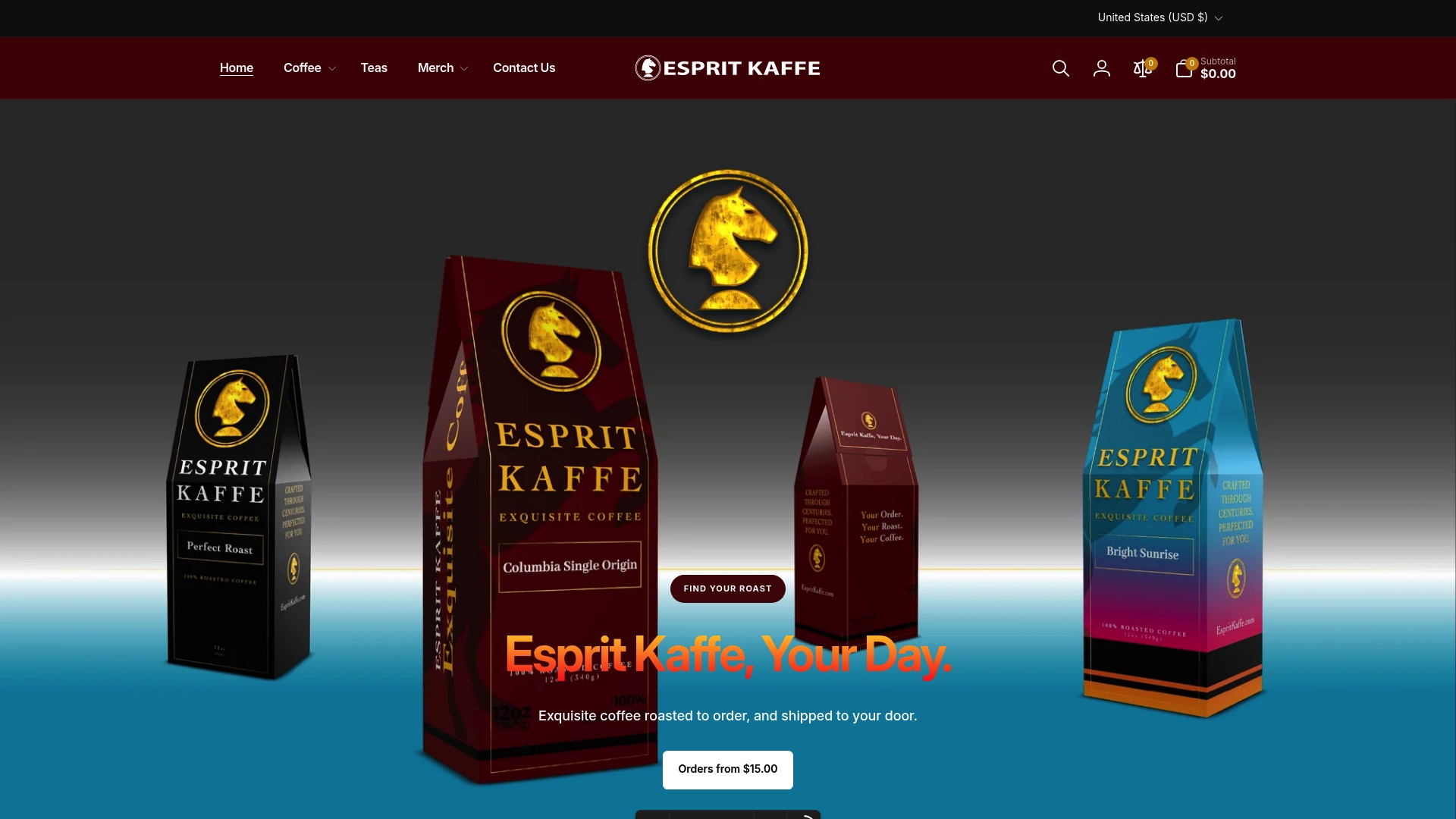
If fire roasting has you thinking about fuller body and deeper flavor complexity, Espritkaffe’s mushroom dark roast delivers that same heavy, layered character through a different craft approach. The mushroom medium roast offers a cleaner entry point with balanced body and earthy depth. Both are small-batch roasts made for brewers who treat their morning cup as a deliberate choice. Browse the full range at Espritkaffe and find the roast that fits your ritual.
FAQ
What is fire roast coffee?
Fire roast coffee is coffee roasted over wood or charcoal fires rather than gas or electric drum roasters. The process produces a fuller body, lower acidity, and mild smoky flavor compounds not present in industrially roasted coffee.
What wood is best for fire roasting coffee?
Oak and hickory are the preferred hardwoods for fire roasting coffee. Both produce balanced smoky compounds like guaiacol and syringol without overpowering the bean’s natural flavor characteristics.
Is fire roasted coffee less acidic than regular coffee?
Fire roasted coffee is lower in acidity than most standard roasts. The wood fire heat source and roasting process reduce the bright, sharp acidity common in gas-roasted light and medium roasts.
Can you fire roast coffee at home?
Home fire roasting is possible with a cast iron skillet or hand-crank roaster over a hardwood fire. Constant agitation, careful fire management, and proper safety equipment are required to avoid scorching and produce an even roast.
Which brewing method works best with fire roasted coffee?
French press and camping percolators work best with fire roasted beans. Both methods suit the fuller body and lower acidity of the roast, and neither requires precision equipment to produce a well-extracted cup.