

Custom roast orders are defined as coffee beans roasted specifically to a customer’s order, then shipped within hours of leaving the drum. This model exists because pre-roasted coffee sitting in a warehouse or on a store shelf loses its best qualities fast. For coffee enthusiasts and remote workers building a morning ritual around quality, the difference is not subtle. Personalized coffee roasting solves the freshness problem that mass production cannot, and it gives you control over flavor that a generic bag never will. Understanding why custom roast orders work at home starts with what happens to coffee the moment roasting ends.
Why custom roast orders work at home: the freshness case
Freshness is the single biggest reason roast-to-order coffee outperforms anything you pull off a grocery shelf. Coffee is not shelf-stable in the way most people assume. The moment beans finish roasting, a clock starts.
Peak aroma and flavor degrade significantly after two weeks. That means a bag roasted three weeks before you buy it has already lost a meaningful portion of what made it worth buying. The specialty coffee industry treats a 48–72 hour post-roast window as the target for peak freshness, and roast-to-order models are built around hitting that window.
The logistics behind this are more deliberate than most people realize. Many specialty roasters ship on the same day the beans come off the roaster. USPS Priority Mail delivers in 2–3 days, which aligns almost perfectly with the brief resting period freshly roasted beans need before brewing. Carbon dioxide releases from the beans during this rest, and brewing too early actually produces flat, unbalanced results. The shipping window doubles as the resting window.
- Beans roasted to order arrive at or near peak flavor, not past it.
- The 2–3 day shipping period matches the natural degassing period after roasting.
- Freshness standards recommend consuming coffee within two weeks of roasting for best results.
- Pre-roasted retail coffee often sits in distribution for weeks before reaching your kitchen.
Pro Tip: Write the roast date on your bag with a marker the day it arrives. Brew your first cup on day three post-roast and compare it to a cup on day ten. The difference will change how you think about coffee storage forever.
How does personalized roasting improve flavor and your brewing ritual?
Roast profile is not a minor detail. It determines whether your coffee tastes bright and fruity, rich and chocolatey, or bold and smoky. Custom roast profiles let you match the roast level to your brewing method and your actual taste preferences, which is something a mass-produced bag cannot do.
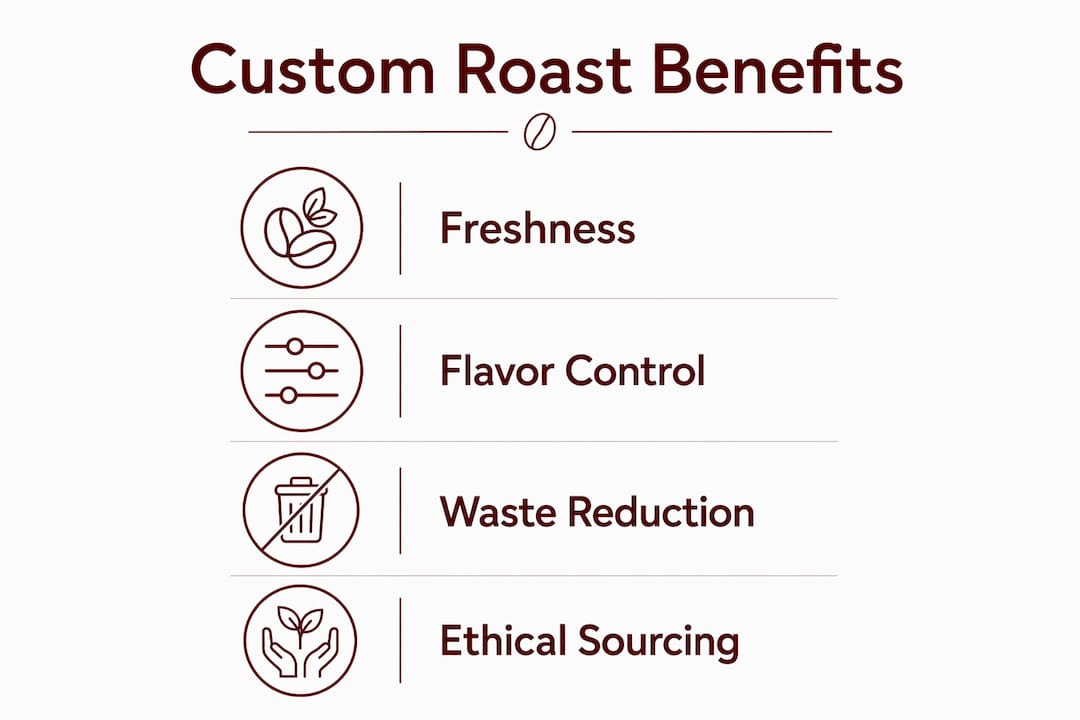
Light roasts preserve the origin character of the bean. A washed Ethiopian processed at a light roast will taste floral and citrusy, qualities that disappear entirely if the same bean goes through a dark roast. Medium roasts balance sweetness and body, making them versatile across pour-over, drip, and French press. Dark roasts reduce acidity and increase bitterness, which works well for espresso and cold brew. Automated roasting profiles deliver consistent results across batches, meaning a custom order you love today can be replicated exactly next month.
The experiential side matters just as much as the technical side. Remote workers who build a morning coffee ritual around a specific roast report that the ritual itself sharpens focus and signals the start of a productive session. The act of choosing your roast, waiting for it to arrive fresh, and brewing it intentionally creates a sensory anchor that a generic cup cannot replicate.
- Light roast: High acidity, floral and fruit notes, best for pour-over and Chemex.
- Medium roast: Balanced sweetness and body, works across most home brewing methods.
- Dark roast: Low acidity, bold and bitter, ideal for espresso machines and cold brew.
- Custom blends: Two or more origins combined at specific ratios to hit a flavor target you define.
Small batch roasting can be adjusted to match your brewing method, which means the same origin can taste dramatically different depending on how it is roasted for you specifically.
Does custom roasting reduce waste and support ethical sourcing?
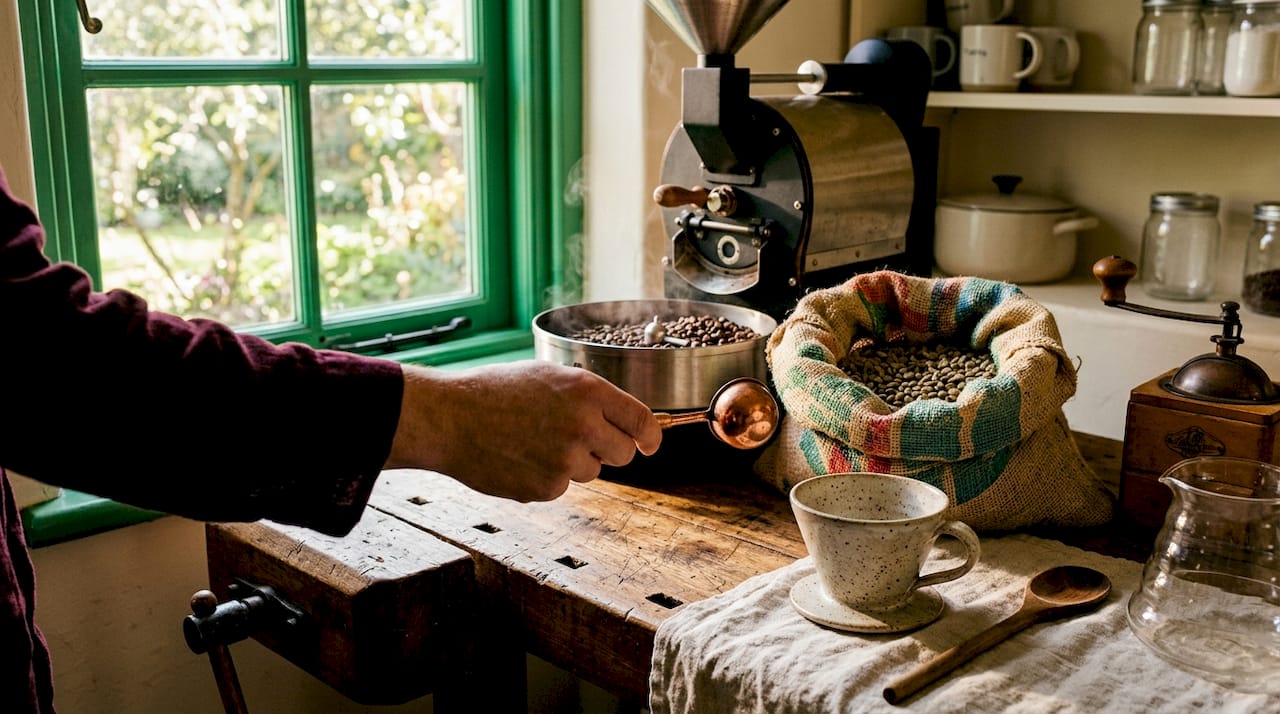
The traditional wholesale coffee model creates a structural waste problem. Roasters produce large batches based on demand forecasts, and unsold beans sit in warehouses until they go stale. Inventory lag causes flavor degradation and waste in this model, and the consumer at the end of the chain pays for it in quality.
Roasting only to order eliminates that surplus entirely. When no beans are roasted until a customer places an order, there is no unsold stock to go stale. Micro roasters eliminate warehousing unsold beans, which reduces waste and supports a wider variety of specialty selections. That variety matters because small-batch ethical sourcing depends on consistent demand for smaller quantities of high-quality green beans.
Ethical sourcing and custom roasting reinforce each other. Specialty green beans from single-origin farms are typically available in smaller quantities than commodity beans. A roast-to-order model is built for exactly that kind of supply. The roaster buys what they need, roasts what is ordered, and maintains a direct relationship with growers because the volume is manageable. For home coffee enthusiasts who care about where their beans come from, this supply chain is far more transparent than anything moving through mass distribution.
Pro Tip: When you order a custom roast, ask the roaster for the harvest date of the green beans, not just the roast date. Green beans have a shelf life too, and the best roasters track both.
Practical tips for getting the most from custom roast orders at home
Getting the full benefit of personalized coffee roasting requires a few deliberate habits. The coffee itself can be perfect, but poor storage or bad timing will erase the advantage.
-
Match your roast to your equipment. A coarse grind and long steep in a French press suits a medium or dark roast. A fine grind and fast extraction in a pour-over suits a light or medium roast. Order accordingly.
-
Time your deliveries around your schedule. Custom roast orders can align with remote workers’ schedules, so set a recurring order to arrive on Monday morning. You start the week with fresh beans every time.
-
Store beans correctly. Use an airtight container away from light and heat. Do not refrigerate whole beans. A ceramic canister with a one-way valve keeps beans fresh for up to two weeks after opening.
-
Explore single-origin options. Single-origin beans from a specific farm or region give you a cleaner read on what roast level does to flavor. They are the best way to develop your palate and refine future custom orders.
-
Order in smaller quantities more often. A 250g bag ordered every two weeks beats a 1kg bag ordered monthly. Freshness compounds over time when you stay within the two-week consumption window.
Green beans are often more affordable than pre-roasted retail options, which means the economics of custom roasting improve the more consistently you order. The per-cup cost of fresh, personalized coffee is lower than most people expect.
Pro Tip: Keep a simple coffee journal for 30 days. Note the roast level, brewing method, grind size, and your flavor impression. After a month, you will have a clear picture of exactly what to order next.
Key Takeaways
Custom roast orders deliver superior freshness, flavor control, and ethical sourcing advantages that pre-roasted retail coffee cannot match for home brewers.
| Point | Details |
|---|---|
| Freshness window matters | Consume coffee within two weeks of roasting; roast-to-order models are built to hit that window. |
| Roast profile drives flavor | Match light, medium, or dark roast to your brewing method for the best cup every time. |
| Order-based roasting cuts waste | Roasting only to order eliminates unsold stock and supports small-batch ethical sourcing. |
| Timing your delivery pays off | Schedule recurring orders to arrive at the start of your week for consistent freshness. |
| Storage extends quality | Use an airtight container with a one-way valve and consume within two weeks of the roast date. |
What I’ve learned after years of ordering custom roasts
The first time I ordered a roast-to-order coffee and brewed it on day three post-roast, I genuinely thought something was wrong with my equipment. The cup was so much brighter and more complex than anything I had been drinking that I assumed I had changed a variable I was not tracking. I had not. The only difference was freshness.
What surprised me more was how quickly the ritual changed. Knowing that a bag was roasted specifically for my order, on a specific day, and shipped the same afternoon made me more intentional about every step after it arrived. I ground more carefully. I paid attention to water temperature. The coffee rewarded that attention.
The broader shift I have watched in the specialty coffee world confirms this is not just personal preference. Roasters who moved to roast-to-order fulfillment report stronger customer retention and fewer quality complaints than those running traditional batch-and-warehouse models. The reason is simple: when the product arrives at its best, customers notice.
For remote workers specifically, the ritual of a custom roast arriving on schedule becomes a genuine productivity anchor. The Monday delivery, the fresh grind, the first cup before the first meeting. That sequence is repeatable, and repeatable rituals are what separate scattered mornings from focused ones.
— Jett
Espritkaffe’s fresh roast collections for home brewing
Espritkaffe builds every order around one principle: your coffee should arrive at its best, not at its most convenient for a warehouse. The single-origin collection brings traceable, small-batch beans roasted to order, giving you a direct line from farm to cup with no stale middleman in between.
For home brewers who want variety without sacrificing freshness, Espritkaffe’s cold brew coffee options pair naturally with a custom roast routine. Cold brew rewards a darker, fresher roast, and ordering both together means your home setup covers every brewing method with beans that were roasted for you specifically. Explore the full range at Espritkaffe and build a delivery schedule that matches your week.
FAQ
What is a custom roast order?
A custom roast order is coffee roasted specifically after a customer places an order, then shipped within hours of roasting. This model ensures beans arrive at peak freshness rather than after weeks in a warehouse.
How soon after roasting should I brew my coffee?
Brew coffee between 3 and 14 days after the roast date for the best flavor. The first 48–72 hours post-roast are a degassing period; brewing too early produces a flat, underdeveloped cup.
Does roast level affect which brewing method I should use?
Light roasts suit pour-over and Chemex methods because their high acidity and delicate flavors shine with slower extraction. Dark roasts work best in espresso machines and French press, where bold body and low acidity are assets.
Are custom roast orders more expensive than store-bought coffee?
The per-bag price of a custom roast is often higher than mass-market retail, but the per-cup cost narrows significantly because you waste less. Green beans cost less than pre-roasted retail options, and fresher beans require less coffee per brew to achieve full flavor.
How do I store freshly roasted beans at home?
Store beans in an airtight container with a one-way valve, away from light and heat. Avoid the refrigerator for whole beans. Consume within two weeks of the roast date for best results.